How to Propagate Mung bean?
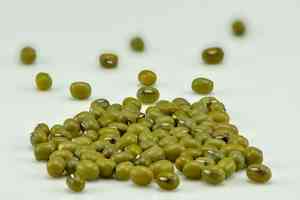
Mung bean, a species within the Fabaceae family, is effectively reproduced by planting its seeds. Successful sprouting relies on utilizing new seeds and providing a damp, adequately draining substrate. Pre-soaking the seeds for 12 to 24 hours can elevate germination success. Plant seeds at a depth roughly twice their diameter and ensure regular, moderate irrigation, avoiding saturation. Sufficient spacing encourages robust development, enabling roots to expand unimpeded. The soil temperature needs to be elevated to aid germination, which generally happens within seven days when conditions are ideal.
Optimal Time for Mung Bean Propagation
Propagation Method
Seeding
Propagation Period
Spring
Tools for Mung Bean Propagation
Seed trays
Seed trays are vital for efficiently sowing mung bean seeds. They help organize seeds and maintain proper spacing, preventing overcrowding during early growth. They also simplify transplanting seedlings without significant root disruption.
High-quality soil mix
A premium, light, and well-draining soil mix is crucial for mung bean. This soil type promotes superior root development and adequate water runoff, preventing root rot and other moisture-related ailments.
Watering can with a fine rose
A watering can fitted with a fine rose attachment is perfect for gently irrigating mung bean seeds and seedlings. The fine spray ensures small seeds aren't dislodged and young seedlings aren't harmed, providing sufficient moisture for germination without waterlogging.
Peat pots
Peat pots are advantageous for mung bean as they allow direct planting of the entire pot into the ground. This minimizes root disturbance during transplantation, fostering healthier plant establishment and reducing transplant shock.
Grow lights
When propagating mung bean indoors or in low-light conditions, grow lights can supply the necessary light spectrum for healthy growth and development. These are especially important for ensuring strong seedling growth until they can be moved to natural sunlight.
Heat mats
Heat mats facilitate effective germination by maintaining a steady soil temperature, which is essential for mung bean. They encourage faster seed germination, leading to more uniform growth among seedlings.
Mung Bean Propagation Guide
Propagation Difficulty
Simple
Post-Propagation Care for Mung Bean
Post-Propagation Care for Mung Bean
After germination, continue to provide mung bean with ample sunlight and water when the top inch of soil feels dry. Lightly fertilize with a balanced fertilizer every four weeks to support growth. Monitor for pests like aphids and use organic control methods if needed. Thin out crowded plants to ensure proper air circulation and reduce disease risk.
Common Errors to Avoid When Propagating Mung Bean
Overwatering
Excessive watering of mung bean seeds can lead to rot and fungal infections, resulting in poor germination and weak seedlings.
Deep planting
Planting mung bean seeds too deeply in the soil can hinder germination due to insufficient oxygen access.
Ignoring soil composition
Using soil that lacks proper drainage or is too dense can impede root growth and aeration, leading to poor establishment of mung bean.
Neglecting temperature control
Propagating mung bean without considering ambient temperature may negatively impact germination rates, as mung bean requires warm conditions to thrive.
Overcrowding
Sowing mung bean seeds too close together results in competition for nutrients and light, potentially stunting growth and reducing yields.
Mung Bean Propagation Advice
Proper seed depth
Sow mung bean seeds at a shallow depth of approximately 1 inch to ensure adequate oxygen supply and facilitate germination.
Moisture management
Maintain consistent soil moisture, keeping it damp but not waterlogged to prevent rot and encourage healthy mung bean growth.
Soil preparation
Preparing a well-draining soil mix with compost ensures mung bean has access to essential nutrients and proper aeration for root development.
Temperature consistency
Keep the environment where mung bean is being propagated warm, ideally between 75-85°F, which is conducive for seed germination.
Adequate spacing
Space mung bean seeds at least a few inches apart to minimize competition and promote robust growth and adequate access to resources.



