How to Propagate Leatherleaf viburnum?
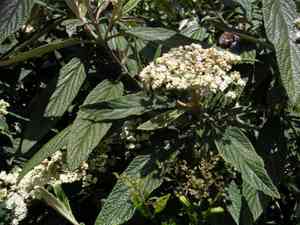
The most effective period for propagating Leatherleaf viburnum is during the spring and summer seasons, primarily utilizing the cutting technique. This plant exhibits a moderate challenge level for propagation. Indicators of successful propagation encompass the emergence of fresh foliage. Always ensure that cuttings are sourced from robust and thriving specimens.
Optimal Period for Leatherleaf Viburnum Propagation
Propagation Method
Cutting
Propagation Season
Spring, Summer
Tools Required for Leatherleaf Viburnum Propagation
Pruning Shears
Pruning shears are vital for obtaining cuttings from leatherleaf viburnum, as they ensure a clean, precise cut, which is crucial for the parent plant's health and the cutting's survival. A sharp, sterilized blade minimizes tissue damage, reducing infection risk.
Rooting Hormone
Rooting hormone promotes faster root formation for leatherleaf viburnum cuttings. It boosts the likelihood of successful rooting by stimulating root growth, particularly important for hardwood cuttings which are typically harder to root.
Potting Mix
A well-draining potting mix serves as the ideal rooting medium for leatherleaf viburnum cuttings. The mix should be light and airy to facilitate good root development and prevent rot. A sterile mix also reduces disease risk.
Plant Pots
Plant pots offer a controlled setting for leatherleaf viburnum cuttings to establish their root systems. They must have drainage holes to prevent waterlogging and be sized appropriately for the cuttings to avoid over-watering.
Heating Mat
A heating mat helps provide a consistent and suitable temperature for the pot's base, which can enhance the rooting success rate for leatherleaf viburnum cuttings, especially in colder climates or during cooler seasons.
Polythene Bags or Propagation Dome
These items help maintain high humidity around leatherleaf viburnum cuttings, which is essential for preventing water loss through transpiration until the cuttings can absorb water via their new roots.
Labels and Marker
Labels are used to mark leatherleaf viburnum cuttings with important details such as the cutting date and any specific treatments applied. This assists in monitoring progress and maintaining organization.
Method for Propagating Leatherleaf Viburnum
Propagation Type
Cutting
Difficulty Level
Moderately Challenging
Post-Propagation Care for Your Leatherleaf Viburnum
Post-Propagation Care for Your Leatherleaf Viburnum
Once leatherleaf viburnum has been successfully propagated and potted, it requires consistent care including regular watering to keep the soil moist but not waterlogged, providing indirect light to prevent leaf burn, fertilizing with a balanced feed during the growing season, pruning to maintain shape and encourage fuller growth, and winter protection in colder regions as leatherleaf viburnum can be sensitive to extreme cold. Regular checks for pests and diseases are also crucial for maintaining a healthy plant.
Common Errors to Avoid During Leatherleaf Viburnum Propagation
Excessive watering of cuttings
Root rot can occur if the soil remains too wet, hindering the development of roots in leatherleaf viburnum's cuttings.
Neglecting cleanliness
Failure to use clean tools and containers can introduce pathogens to leatherleaf viburnum cuttings or seeds, leading to disease and poor propagation outcomes.
Disregarding soil quality
Using soil that lacks proper drainage or the correct nutrient balance can cause leatherleaf viburnum's cuttings or seedlings to struggle, impeding growth.
Incorrect node cutting
Improperly selecting the cutting point on leatherleaf viburnum can result in poor rooting and growth as not all nodes are equally viable.
Insufficient humidity
Leatherleaf viburnum cuttings require a humid environment to encourage root development. A lack of humidity can lead to the cuttings drying out.
Advice for Propagating Leatherleaf Viburnum
Semi-hardwood cuttings
Taking semi-hardwood cuttings in late summer to fall maximizes rooting potential as leatherleaf viburnum is semi-dormant and less susceptible to stress during this period.
Soil mix preparation
Utilizing a well-draining soil mix enriched with organic matter promotes robust root development for leatherleaf viburnum's cuttings or seedlings.
Rooting hormone application
Applying rooting hormone to the cut end of leatherleaf viburnum cuttings can enhance the likelihood of successful root establishment.
Adequate spacing
Ensuring sufficient space between planted seeds or cuttings of leatherleaf viburnum prevents competition for resources and reduces the risk of disease spread.
Controlled lighting
Providing indirect light supports leatherleaf viburnum's cuttings and seedlings growth without the stress of direct, intense sunlight.



