How to Propagate Black haw?
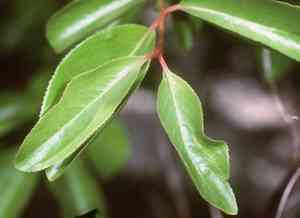
Black haw flourishes most effectively when propagated via cutting or layering techniques, preferably executed in the fall or winter seasons. This propagation process can present a moderate level of difficulty, with indicators of success being fresh shoots and vigorous root systems. Adequate hydration and soil that drains efficiently greatly enhance the likelihood of a positive outcome.
Optimal Time for Black Haw Propagation
Propagation Type
Cutting
Propagation Season
Autumn,Winter
Tools for Black Haw Propagation
Sharp Pruning Shears
Crucial for taking cuttings from black haw, sharp pruning shears enable precise cuts that minimize harm to the parent plant and the cutting itself. Proper cuts enhance the likelihood of successful rooting by reducing infection risk and ensuring a larger area for root development.
Rooting Hormone
Rooting hormone is utilized to stimulate root development in black haw cuttings. Applying a rooting hormone to the cut end of the stem aids in promoting quicker and more uniform root formation, which is vital for the establishment of the new plant.
Sterile Potting Mix
Employing a sterile potting mix for black haw cuttings is important to prevent diseases and pests that might be present in non-sterile soils. The sterile environment ensures that the delicate cuttings can focus on root and shoot development without competition or stress from pathogens.
Propagation Trays
These trays are designed to securely hold the black haw cuttings and potting mix while allowing for adequate drainage and air circulation. Proper air exchange and moisture levels are crucial for preventing rot and fostering a healthy rooting environment.
Humidity Dome
A humidity dome maintains a high moisture level around the black haw cuttings, which helps prevent the leaves from losing too much water while the new roots are forming. This can be especially beneficial for black haw cuttings, which require consistent humidity to root successfully.
Heat Mat
By providing gentle bottom warmth, a heat mat encourages root growth in black haw cuttings by creating an optimal temperature range. This is particularly beneficial in cooler climates or during colder months, when ambient temperatures might be too low to support vigorous root development.
Caring for Your Newly Propagated Black Haw
Caring for Your Newly Propagated Black Haw
Once the black haw cutting has rooted, indicated by gentle resistance when tugged or new growth, gradually acclimate the plant to less humid conditions by opening the covering. Water the young black haw plant to keep the soil consistently moist, but not waterlogged. Once established, black haw prefers a location with full sun to partial shade and benefits from mulching and periodic feeding with a balanced fertilizer during the growing season.
Common Propagation Mistakes for Black Haw
Overwatering cuttings
Cuttings of black haw may rot if they remain in excessively moist soil for too long, hindering root development.
Deep planting
Planting black haw cuttings too deeply can restrict necessary air exchange, impeding root formation.
Ignoring hygiene
Using uncleaned tools or containers can introduce pathogens, leading to infections in black haw cuttings.
Neglecting temperature control
Without maintaining a consistent temperature, black haw cuttings may experience delayed or failed rooting.
Tips For Propagating Black Haw
Semi-hardwood cuttings
Select semi-hardwood stems from black haw for higher success rates in rooting as they provide a good balance between flexibility and maturity.
Soil mix
Choose a well-draining soil mix for black haw to prevent waterlogging and promote healthy root growth.
Indirect light
Place black haw cuttings in bright, indirect light to facilitate growth without the stress of direct sun.
Humidity maintenance
Enclosing the cuttings of black haw in a transparent cover can help maintain humidity and encourage rooting.



