How to Propagate Japanese snowball?
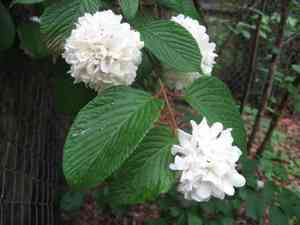
Japanese snowball can be successfully multiplied via cuttings and layering techniques in the fall and winter seasons. Achieving successful propagation typically presents a moderate challenge. Indicators of thriving propagation encompass the emergence of new roots and vigorous foliage expansion.
Optimal Time for Japanese Snowball Propagation
Propagation Method
Cutting
Propagation Period
Autumn,Winter
Tools for Japanese Snowball Propagation
Pruning Shears
Pruning shears are vital for obtaining cuttings from japanese snowball. Their sharp blades ensure clean cuts without stem damage, which is crucial for proper healing and root development. Select pruners with keen, bypass blades for smooth cuts on japanese snowball branches, minimizing infection risk.
Rooting Hormone
Rooting hormone promotes root development on japanese snowball cuttings. Dipping the cut end into the hormone stimulates root production, increasing propagation success rates for japanese snowball. Ensure the hormone is suitable for woody plants like japanese snowball for best outcomes.
Potting Mix
A well-draining and sterile potting mix provides a healthy environment for new roots to grow without the threat of soil-borne diseases affecting japanese snowball cuttings. Use a mix that retains sufficient moisture to prevent drying, yet allows excess water to drain.
Propagation Tray or Pots
Propagation trays or small pots offer a controlled setting where japanese snowball cuttings can establish their root systems. The containers' size and depth should suit the cuttings and provide ample space for initial root growth.
Plastic Cover or Propagation Dome
A plastic cover or propagation dome maintains humidity around the japanese snowball cutting, crucial for preventing water loss while roots develop. This tool creates a mini-greenhouse effect, keeping the cutting in a stable, moist environment.
Heating Mat
A heating mat is especially beneficial for japanese snowball as it supplies bottom heat, encouraging faster root growth. Particularly useful in cooler seasons or climates, the mat should be set to the ideal temperature range for japanese snowball cuttings.
Sphagnum Moss
Sphagnum moss can be wrapped around the cut end of japanese snowball to retain moisture during root initiation. It helps keep the area around the cut humid, which is particularly important for hardwood cuttings that take longer to root.
Caring for Your Newly Propagated Japanese Snowball
Caring for Your Newly Propagated Japanese Snowball
Post-propagation, gradually introduce japanese snowball to its typical growing conditions by providing appropriate light, water, and nutrients. Maintain consistently moist soil, avoid direct, intense sunlight, and shield from strong winds. Prune as needed to maintain shape and encourage fuller growth.
Common Errors to Avoid When Propagating Japanese Snowball
Overwatering cuttings
Root rot can occur if cuttings are kept too wet, as japanese snowball's cuttings prefer well-draining conditions and do not tolerate waterlogged soil.
Using non-sterile tools
Diseases can easily spread via unsterilized cutting tools, jeopardizing the health of japanese snowball cuttings.
Ignoring humidity needs
Japanese snowball cuttings require high humidity for proper root formation; neglecting to provide a moist environment can lead to desiccation and failure of the cuttings to root.
Neglecting aftercare
After rooting, japanese snowball needs a period of acclimatization to less protected conditions; failing to provide this can shock the plants, potentially leading to death or stunted growth.
Incorrect cutting selection
Choosing poor or unsuitable stem cuttings, such as those that are too young, too old, or diseased, will likely result in poor rooting and growth of japanese snowball.
Tips For Propagating Japanese Snowball
Use semi-hardwood cuttings
Semi-hardwood cuttings, taken in late summer when stems are mature but not fully hardened, have a higher success rate for propagating japanese snowball.
Maintain proper moisture
Keep the soil of japanese snowball cuttings consistently moist but well-drained to encourage rooting without causing rot.
Provide bottom heat
Gentle bottom heat can stimulate root growth in japanese snowball cuttings, without drying them out too quickly.
Use rooting hormone
Applying a rooting hormone to the cut end of japanese snowball cuttings can enhance root development and increase the chances of successful propagation.
Create a humid environment
Use a plastic bag or a propagator to create a humid atmosphere around japanese snowball cuttings, which aids in preventing moisture loss and supports root formation.



