How to Propagate Mapleleaf viburnum?
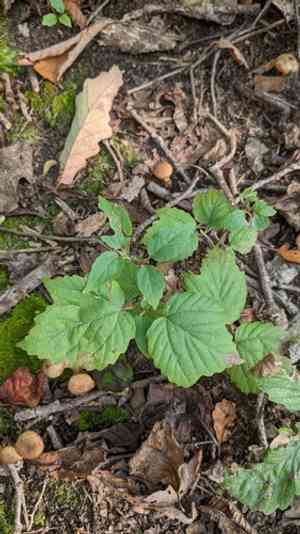
Mapleleaf viburnum is best multiplied in the fall and winter seasons via cutting and layering techniques. Its propagation presents a moderate challenge, with the emergence of new foliage signifying successful rooting. Throughout this procedure, guarantee a porous soil mixture and adequate hydration.
Optimal Period for Mapleleaf Viburnum Propagation
Propagation Method
Cutting
Propagation Period
Autumn,Winter
Tools Required for Mapleleaf Viburnum Propagation
Sharp Pruning Shears
These are crucial for making clean cuts from mapleleaf viburnum, reducing harm to the parent plant and enhancing the cutting's survival prospects. The sharp blades ensure a precise cut, vital for the delicate process of cutting propagation, promoting better rooting and less plant stress.
Rooting Hormone Powder or Gel
Rooting hormones encourage root development in mapleleaf viburnum cuttings. Applying rooting hormone to the stem's cut end aids in the formation of robust, healthy roots, essential for the successful establishment of new plants. Using hormone powders or gels speeds up rooting and boosts the overall propagation success rate.
Sterilizing Agent (e.g., Isopropyl Alcohol or Bleach Solution)
Utilizing a sterilizing agent to sanitize cutting tools before propagation prevents the introduction of diseases to mapleleaf viburnum. Tool sterilization ensures that plant tissues remain healthy and disease-free during the sensitive phase of root development.
Propagation Medium (e.g., Perlite, Vermiculite, or Soilless Mix)
A well-draining, sterile propagation medium offers the perfect environment for mapleleaf viburnum cuttings to develop roots. The medium should be damp but not saturated, allowing for proper aeration and support for the new roots. The chosen medium contributes to overall success by preventing rot and other issues related to excessive watering.
Clear Plastic Bags or Propagation Dome
These create a moist microclimate around mapleleaf viburnum cuttings, which is vital for preventing the cuttings from drying out before they develop roots. The increased humidity reduces water loss through the leaves and fosters an environment conducive to root formation.
Plant Pots or Propagation Trays
Suitable containers like pots or trays are necessary to hold the mapleleaf viburnum cuttings and the propagation medium. They should have drainage holes to prevent waterlogging and be appropriately sized for the number of cuttings being propagated, allowing ample space for root growth.
Post-Propagation Care for Your New Mapleleaf Viburnum
Post-Propagation Care for Your New Mapleleaf Viburnum
Following propagation, gradually acclimate the new mapleleaf viburnum plant by removing its covering for a few hours daily over a week. Continue to keep the soil moist and provide the plant with adequate light, temperature, and nutrients. Transplant the mapleleaf viburnum when it becomes root-bound, and as it matures, monitor for pests or diseases to ensure the plant's health.
Common Errors to Avoid When Propagating Mapleleaf Viburnum
Inadequate soil preparation
Failure to provide a well-draining soil mix can lead to waterlogged conditions, potentially causing root rot in mapleleaf viburnum.
Incorrect cutting selection
Using non-viable or diseased parts of mapleleaf viburnum for cuttings can impede rooting and growth, as unhealthy cuttings are less likely to establish.
Overwatering
Excessive moisture can suffocate the roots of mapleleaf viburnum and encourage fungal diseases, compromising the plant's ability to establish from cuttings or seeds.
Neglecting hygiene
Failing to use sterilized tools and containers when propagating mapleleaf viburnum can introduce pathogens, leading to infection and poor growth.
Ignoring rooting conditions
Not maintaining a consistent environment with appropriate humidity and temperature can result in poor root development for mapleleaf viburnum cuttings.
Advice for Propagating Mapleleaf Viburnum
Healthy stem selection
Choose semi-hardwood stems that are disease-free and have mature leaves to increase the chances of successful rooting in mapleleaf viburnum.
Rooting hormone usage
Applying rooting hormone to the cut end of mapleleaf viburnum cuttings can stimulate root growth and improve propagation outcomes.
Moderate watering
Keep the soil consistently moist but not waterlogged to provide the necessary hydration for mapleleaf viburnum without risking root rot.
Soil fertility
Ensure the soil has adequate nutrients but is also free-draining to support the initial growth phase of mapleleaf viburnum without causing water retention issues.
Environment control
Maintain a warm and humid environment, such as using a propagation dome, to encourage rooting in mapleleaf viburnum cuttings without exposing them to direct sunlight.



