How to Propagate Gulf vervain?
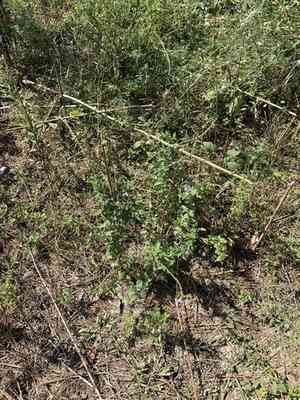
Gulf vervain flourishes most effectively when its seeds are directly introduced into adequately draining earth, and by ensuring the growing substrate remains uniformly damp without becoming saturated. To achieve peak development, positioning it in a sun-drenched location that meets gulf vervain's requirements is essential. During the sowing process, lightly blanket the seeds with earth and sustain a consistent setting to encourage even sprouting. Reduce the number of young plants to avert excessive density, which can impede growth and heighten vulnerability to infestations and ailments. Consistent observation and careful tending can result in successful cultivation, producing a lively exhibition of gulf vervain's distinctive flowers.
When Is the Optimal Time to Propagate Gulf Vervain?
Propagation Method
Seeding
Propagation Period
Spring
What Equipment Is Used for Gulf Vervain Propagation?
Seed trays or flats
These containers are vital for indoor seed starting, offering an organized space for planting. Their shallow depth suits small seeds like gulf vervain, helping maintain necessary moisture and temperature for germination.
Fine seed starting mix
This growing medium is specially formulated to be light and to promote proper drainage and air circulation. It's perfect for gulf vervain seeds, which need a well-drained medium to prevent damping-off and other fungal issues.
Misting bottle
A gentle method to water seeds without dislodging them. The misting action mimics light rain, providing essential moisture for germination without causing soil erosion or seed displacement.
Heat mat
Since gulf vervain seeds may need a consistent, slightly warmer temperature for effective germination, a heat mat can be placed under seed trays to maintain a constant optimal temperature, boosting germination rates.
Grow lights
These are especially useful if propagating gulf vervain in areas with insufficient natural light or during seasons with shorter daylight hours. Grow lights ensure seedlings get enough light for robust growth and development.
How to Propagate Gulf Vervain?
Propagation Difficulty
Easy
How to Care for Your Newly Propagated Gulf Vervain?
How to Care for Your Newly Propagated Gulf Vervain?
Post-propagation, gulf vervain needs regular watering, especially in dry spells, but avoid overwatering as it prefers drier conditions. Position the plant in full to partial sun for best growth. Gulf vervain is generally low-maintenance, but regular removal of spent flowers can encourage more blooms. During the growing season, a balanced fertilizer can be applied monthly to support healthy growth and flowering.
Common Errors to Avoid When Propagating Gulf Vervain
Overwatering
When propagating gulf vervain cuttings or seedlings, excessive watering can lead to problems like root rot and fungal infections. This error can severely impede root development and decrease the plant's survival rate.
Deep planting
Planting gulf vervain seeds or cuttings too deeply can prevent them from receiving adequate light and air, which are crucial for germination and initial growth. This practice can result in lower germination rates and weaker seedlings.
Neglecting plant hygiene
Using unclean tools or planting media can introduce pathogens to gulf vervain, leading to diseases that can hinder the propagation process. Proper sanitation helps ensure healthier growth and reduces disease risk.
Tips For Propagating Gulf Vervain
Appropriate cutting length
Using cuttings approximately 4-6 inches long with several nodes would be beneficial for gulf vervain. This length allows for sufficient leaf area for photosynthesis and enough nodes to develop roots.
Adequate light exposure
Ensure that gulf vervain cuttings or seedlings receive sufficient but indirect sunlight. This promotes healthy growth without the risk of scorching the young plants, which can be particularly sensitive.
Moderate watering
Maintaining a balance in watering is crucial for gulf vervain during propagation. The soil should be kept moist but not waterlogged to encourage healthy root development without risking fungal diseases.



