How to Propagate Flat-leaved vanilla?
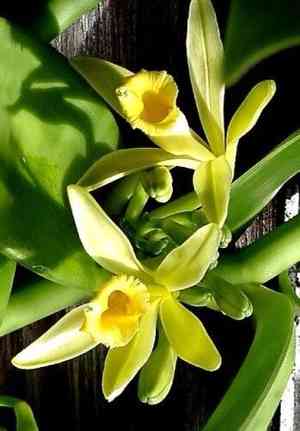
A tropical orchid recognized for its valuable pods utilized in flavoring, flat-leaved vanilla flourishes when reproduced through separation. For successful cultivation, meticulously divide the rhizomes, ensuring each new segment retains multiple growth points. Carefully embed these segments in a well-ventilated, damp substrate, replicating flat-leaved vanilla's indigenous humid environment. Ideal root formation necessitates consistent warmth, dappled light, and frequent, moderate irrigation. It benefits from a climbing aid, such as a trellis, to foster its vining nature and promote robust development.
What Is the Best Time To Propagate Flat-leaved Vanilla?
Propagation Type
Division
Propagation Season
Spring,Autumn
What Tools Are Used in Flat-leaved Vanilla Propagation?
Sharp, sterile pruning shears
These are crucial for making clean cuts through flat-leaved vanilla's vine segments during division. Sterilized shears prevent pathogen introduction, and sharp blades ensure a clean cut, promoting faster healing and less plant stress.
Rooting hormone
This compound promotes faster root growth from the cut ends of flat-leaved vanilla's vine segments. By boosting root development, rooting hormone can significantly improve the success rate of new propagations, ensuring strong initial growth.
High-quality potting mix
A well-draining, nutrient-rich potting medium, suitable for orchids or similar epiphytes, is recommended for planting flat-leaved vanilla's vine segments. This type of mix supports healthy root growth, providing adequate aeration and moisture retention, which are vital for newly cut divisions.
Small pots or trays
These containers are used for planting individual flat-leaved vanilla segments. Using separate containers for each division helps prevent overcrowding and reduces disease spread. Additionally, small pots or trays make it easier to maintain ideal soil moisture for each segment.
Labels and a marking pen
Accurately labeling each newly planted segment with the propagation date and other relevant details helps track the progress and growth rates of different flat-leaved vanilla divisions, which is essential for effective plant management and study.
How to Propagate Flat-leaved Vanilla?
Propagation Type
Easy
How to Care for Your Newly Propagated Flat-leaved Vanilla?
How to Care for Your Newly Propagated Flat-leaved Vanilla?
Once propagated, flat-leaved vanilla needs consistent warmth, high humidity, and bright, indirect light to flourish. Water the plant when the top inch of soil feels dry and fertilize monthly with a balanced orchid fertilizer. Support flat-leaved vanilla's climbing habit with a trellis or stake. Prune any dead or yellowing leaves to maintain health and airflow. Be patient, as it can take several years for a new flat-leaved vanilla division to mature and produce flowers necessary for vanilla production.
Common Mistakes to Avoid When Propagating Flat-leaved Vanilla
Inadequate humidity levels
Incorrect humidity levels can hinder flat-leaved vanilla's cuttings from rooting. Too little humidity dries out cuttings, while too much can lead to rot.
Overwatering
Excessive watering of flat-leaved vanilla's cuttings can cause root rot and fungal diseases, impeding growth.
Using old or weak cuttings
Choosing old or weak cuttings from flat-leaved vanilla can result in poor root development and decrease the chances of successful propagation.
Ignoring aseptic techniques
Failing to use sanitized tools and containers can introduce pathogens to flat-leaved vanilla's cuttings, potentially causing disease.
Tips For Propagating Flat-leaved Vanilla
Air layering technique
Employ air layering for flat-leaved vanilla by wrapping a moist medium around a stem still attached to the parent plant. This method can yield a higher success rate due to a constant nutrient supply.
Medium selection
Choose a well-draining medium for flat-leaved vanilla's cuttings to prevent waterlogging and ensure adequate root aeration.
Optimal cutting health
Select vigorous, healthy cuttings from flat-leaved vanilla with at least one node and a few leaves to improve the chances of rooting.
Proper cutting treatment
Treat the base of flat-leaved vanilla's cuttings with rooting hormone to encourage root development and increase the odds of successful growth.



