How to Propagate Valerian?
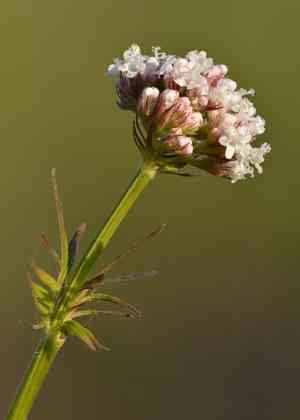
Valerian achieves optimal propagation when seeded in the springtime. This procedure is relatively straightforward, with successful multiplication evidenced by robust, emerging foliage. Guarantee appropriate soil dampness and warmth for perfect sprouting.
Optimal Period for Valerian Propagation
Propagation Type
Sowing
Propagation Season
Spring
Tools Required for Valerian Propagation
Seed trays
Essential for initiating seeds in a regulated setting, seed trays aid in sustaining consistent moisture and temperature, crucial for valerian germination. Their shallow depth suits valerian's small seeds, enabling uniform soil coverage and easier germination monitoring.
Potting mix
A well-draining, nutrient-rich potting medium supports valerian's initial growth phases by offering necessary structure and nourishment. A blend containing vermiculite or perlite can enhance aeration and drainage, benefiting valerian's root development.
Misting bottle
Maintaining valerian seeds' moisture without over-saturating is vital for successful germination. A misting bottle allows for gentle irrigation that won't disturb tiny seeds or cause waterlogging.
Heat mat
A heat mat can supply consistent warmth from below, which is advantageous for valerian seed germination, particularly in cooler climates. It helps maintain an ideal soil temperature, thereby improving germination rates.
Grow lights
If natural light conditions are insufficient, grow lights can provide the necessary light spectrum for valerian seedlings to develop robustly. They ensure seedlings avoid becoming elongated or weak due to inadequate light.
Label and marker
Utilizing labels with a waterproof marker assists in tracking seed sowing dates and distinguishing various batches of valerian. This is especially useful when propagating multiple valerian species or cultivars.
Hand trowel
Once valerian seedlings have matured sufficiently, a hand trowel is employed to carefully transplant them into individual containers or the garden. This tool permits precise and gentle handling of the young plants.
How to Propagate Valerian
Propagation Type
Sowing
Difficulty Level
Easy
Caring for Newly Propagated Valerian
Caring for Newly Propagated Valerian
Post-propagation, continue to water valerian regularly to keep the soil damp but not saturated. Apply mulch to retain moisture and suppress weeds. Fertilize with a balanced, all-purpose fertilizer as per instructions. Stake tall varieties to prevent wind damage. Monitor for pests and diseases, treating as needed. Remove spent flowers to encourage continuous blooming and prevent self-seeding if desired. In autumn, cut back foliage after it naturally dies. Divide mature plants in spring or autumn every few years to maintain vigor.
Common Errors to Avoid When Propagating Valerian
Insufficient soil preparation
Gardeners may underestimate the importance of well-drained soil for valerian's root growth. Valerian prefers soil that isn't overly wet, as excessive moisture can lead to root rot.
Overwatering seedlings
Maintaining excessively damp conditions for valerian seedlings can foster fungal diseases and impede their development. It's crucial to allow the soil to dry slightly between waterings.
Deep planting of seeds
Valerian seeds require light to germinate, and burying them too deeply can hinder germination as they won't receive the necessary sunlight.
Ignoring stratification needs
Forgetting that valerian seeds often need stratification, a cold treatment period to break dormancy, may result in poor germination rates.
Neglecting to divide clumps
Failing to divide valerian periodically can lead to overcrowding, resulting in reduced vigor and fewer flowers.
Over-fertilization
Applying too much fertilizer can cause excessive foliage growth at the expense of flowering in valerian, and can also harm the roots.
Advice for Propagating Valerian
Proper soil preparation
Prepare a well-draining soil mix for valerian, using a blend of garden soil, sand, and compost. This will promote a robust root system.
Monitor watering
Water valerian seedlings moderately to maintain balanced soil moisture. Ensure pots have drainage holes to prevent waterlogging.
Shallow seed planting
Sow valerian seeds on the soil surface or cover them lightly with a thin soil layer, as they require light for successful germination.
Stratification
Mimic winter conditions for valerian seeds by stratifying them. Place seeds in a bag with moist sand and refrigerate for several weeks before planting.
Regular division
Dividing valerian every few years encourages healthy growth and revitalizes the plant. Spring or fall is the ideal time for division.
Balanced fertilization
Fertilize valerian sparingly, using a balanced, slow-release fertilizer to enhance flowering without causing damage from excess nutrients.



