How to Propagate Heartleaf nettle?
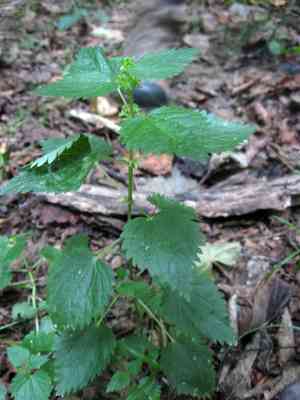
Heartleaf nettle, a perennial herb indigenous to North America, flourishes in both dim and moderately bright settings, readily adjusting to diverse soil types. Its most effective propagation method is direct seeding, which entails placing seeds directly into soil that drains efficiently. To achieve peak development, confirm that the soil remains damp but not oversaturated. Applying a light layer of mulch can assist in preserving the required moisture content and simultaneously safeguard the developing sprouts. Regular attention and vigilance against weeds will foster vigorous development.
When Is the Best Time to Propagate Heartleaf Nettle?
Propagation Method
Seeding
Propagation Period
Spring
What Tools Are Used for Heartleaf Nettle Propagation?
Seed trays
Seed trays are essential for the initial planting and sprouting phases of heartleaf nettle. Their use allows for regulated soil conditions and moisture levels, promoting consistent development during the crucial early growth stage. They also simplify managing numerous seedlings in a confined area, perfect for systematic heartleaf nettle propagation.
Fine-grained soil mix
A fine-textured soil blend improves the germination rate of heartleaf nettle by ensuring small seeds aren't buried too deeply, which can impede or stop sprouting. This soil type also holds the correct amount of moisture without causing waterlogging, vital for the delicate early life of heartleaf nettle.
Misting bottle
A misting bottle is crucial for gently hydrating heartleaf nettle seeds and young plants. Excessive watering can dislodge tiny seeds and harm fragile new roots. The fine mist delivers necessary moisture without disrupting the soil structure or seed placement.
Labels and markers
Using labels and markers is vital for tracking planting dates and identifying various growth stages of heartleaf nettle. This ensures precise monitoring and care, which is key for successful propagation. Labels aid in applying systematic care routines based on specific growth requirements at different stages.
Grow lights (if indoor propagation)
Grow lights are beneficial if propagating heartleaf nettle indoors. They provide consistent and sufficient light, which may not be naturally available indoors but is crucial for photosynthesis and healthy seedling growth. Ensuring the right light wavelength and intensity supports strong development from germination through to maturity.
How to Propagate Heartleaf Nettle?
Propagation Difficulty
Easy
How to Care for Your Newly Propagated Heartleaf Nettle?
How to Care for Your Newly Propagated Heartleaf Nettle?
Post-propagation, continue to provide heartleaf nettle with partial to full shade, maintaining soil moisture without over-saturating. Heartleaf nettle thrives in cooler conditions, so ensure adequate mulching to keep roots cool and damp. Regular fertilization, as previously mentioned, will support healthy growth and leaf production. Periodically inspect for and manage pests like aphids, which may be drawn to the plant.
Common Mistakes to Avoid When Propagating Heartleaf Nettle
Overwatering
Excessive watering can lead to root rot, a common problem where heartleaf nettle roots decay. This prevents the plant from properly absorbing nutrients and water, potentially resulting in plant death.
Neglecting Early Root Development
Failing to provide a stable environment for heartleaf nettle during the initial stages of root development can result in weak foundations, making young plants more vulnerable to stress and disease.
Using Poor Soil Mix
Employing a soil mix that lacks proper drainage or nutritional content can impede heartleaf nettle growth, as they require well-draining soil enriched with organic matter for optimal development.
Ignoring Pest Management
Overlooking potential pests during propagation can lead to infestations that compromise the health and spread of heartleaf nettle.
Cutting Incorrectly
Improper cutting of shoots or roots, or at unsuitable developmental stages, can lead to poor or unsuccessful heartleaf nettle propagation, affecting its ability to establish and grow healthily.
Tips For Propagating Heartleaf Nettle
Adequate Watering
Provide consistent, moderate watering to maintain moist but not waterlogged soil conditions. This helps heartleaf nettle develop a healthy root system without the risk of root rot.
Stable Environment
Ensure that heartleaf nettle is propagated in a stable and controlled environment, away from extreme temperature fluctuations and direct, intense sunlight, especially in the early stages.
Optimal Soil Conditions
Use a well-draining soil mix rich in organic matter to encourage robust root and foliage growth. This environment supports healthier propagation and long-term vitality of heartleaf nettle.
Pest Control
Regularly monitor and implement organic pest control measures to protect heartleaf nettle during propagation. Healthy plants are less susceptible to pests and diseases.
Proper Cutting Techniques
Make clean cuts at the appropriate nodes or sections to ensure successful rooting and growth. Use sharp, sterilized tools to prevent disease transmission.



