How to Propagate Sea oats?
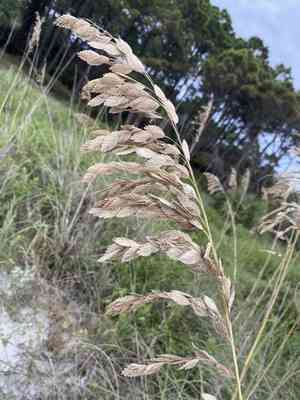
Sea oats flourishes when multiplied by dividing its rootstock. For successful establishment, gently detach established clusters during the propagation process, ensuring each portion retains a substantial root system. It is essential to immediately transplant these separated sections into soil that drains effectively, steering clear of excessively damp environments to avert root decay. Consistent irrigation and exposure to partial or full sunlight encourage vigorous growth.
Optimal Time for Sea Oats Propagation
Method of Propagation
Division
Propagation Period
Spring,Autumn
Tools for Sea Oats Propagation
Spade or Sharp Knife
Crucial for dividing sea oats, a spade or sharp knife is employed to carefully separate the root ball into smaller segments. A sharp tool ensures clean cuts, minimizing root damage, which is vital for rapid recovery and successful establishment of new plants.
Rooting Hormone
This compound encourages root formation from the newly separated sections of sea oats. Applying rooting hormone to the cuts boosts root initiation and growth, leading to a higher success rate for newly propagated plants to anchor themselves in new environments.
Watering Can with Fine Rose
After division and planting, gentle irrigation is necessary. A watering can with a fine rose attachment aids in delivering a soft, even water distribution. This prevents soil erosion around new plantings and ensures the young roots of sea oats remain undisturbed.
Potting Mix
When propagating sea oats through division, a well-draining yet nutrient-rich potting mix is advantageous. It supports the newly planted sections by providing essential nutrients and adequate aeration for root development. The mix's composition should support moisture retention while preventing waterlogging, which is critical for sea oats' root health.
How to Propagate Sea Oats?
Propagation Type
Easy
Caring for Your Newly Propagated Sea Oats
Caring for Your Newly Propagated Sea Oats
Ensure sea oats receives consistent watering, especially during its initial growing season until it is well-established. It adapts to various soil types but thrives in well-drained soil. Sea oats performs well in full sun and partial shade, and it can benefit from occasional fertilization. Monitor for pests and diseases, though sea oats is generally resilient. As it matures, reduce watering as sea oats tolerates drought conditions.
Common Errors to Avoid When Propagating Sea Oats
Disregarding sand quality
Using an unsuitable sand type can hinder root growth, as sea oats flourishes in specific sandy environments typical of dune systems. Incorrect sand types may either retain too much moisture, causing root rot, or provide insufficient nutrients and support for root development.
Overwatering
During establishment, sea oats requires controlled watering. Excessive watering can suffocate roots and disrupt the delicate nutrient balance, making the plant vulnerable to diseases and reducing its survival prospects.
Crowding seedlings
Planting sea oats seedlings too closely can impede their growth due to competition for light, space, and nutrients. This overcrowding can negatively impact the plants' overall health and vigor.
Advice for Propagating Sea Oats
Utilize native sand
Successful sea oats propagation necessitates using sand similar to its natural habitat. This ensures the correct texture and nutrient composition that supports root and shoot development.
Moderate watering
Provide adequate moisture to sea oats during the initial propagation stages to encourage root development, but avoid overwatering. Allow the soil to dry slightly between watering sessions.
Space appropriately
Ensure each sea oats seedling is spaced adequately to allow ample room for growth and access to sunlight and nutrients. Proper spacing helps prevent fungal diseases and promotes healthier, stronger plants.



