How to Propagate Rock elm?
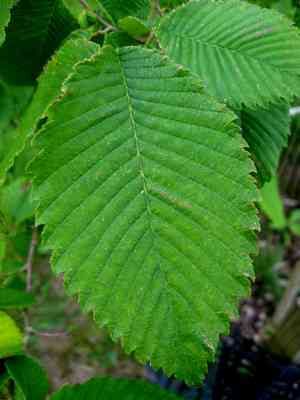
Ulmus thomasii can be multiplied via dormant wood cuttings, air layering, and seed dispersal. The most suitable periods for propagation are fall and winter. This species presents a medium challenge level for successful propagation. Indicators of successful propagation involve robust root and stem development. Essential advice includes employing rooting stimulants and ensuring sufficient hydration.
Optimal Period for Rock Elm Propagation
Propagation Method
Cutting
Propagation Season
Autumn,Winter
Tools Required for Rock Elm Propagation
Sharp Pruning Shears
Crucial for making precise cuts from rock elm, sharp pruning shears help minimize harm and stress to the parent plant. A clean cut promotes healthy callus formation on the cutting and lowers disease risk.
Rooting Hormone
This compound stimulates root growth in rock elm cuttings. Applying a suitable rooting hormone to the cut area can significantly boost the likelihood of successful root initiation.
Sterilizing Agent
Tools and work surfaces must be disinfected before propagating rock elm to prevent the spread of illnesses and pathogens. Using a sterilizing agent like alcohol or bleach ensures all cutting equipment is free from contaminants.
Propagation Medium
An appropriate substrate offers support and encourages root development for rock elm cuttings. A well-draining mix, possibly including perlite or vermiculite, helps retain sufficient moisture without causing rot.
Humidity Dome or Plastic Bag
Maintaining high humidity levels is vital for rock elm cuttings developing roots. A dome or bag can create a controlled humid environment that mimics greenhouse conditions, which is beneficial for the cuttings to thrive.
Heating Mat
A heating mat gently warms the rooting area, promoting faster root development for rock elm. Consistent bottom heat can be especially advantageous during cooler propagation periods.
Light Source
Cuttings from rock elm require adequate light without being exposed to direct, harsh sun. A grow light or a brightly lit, indirect natural light source encourages healthy growth without causing desiccation.
Post-Propagation Care for Your New Rock Elm
Post-Propagation Care for Your New Rock Elm
Provide rock elm with proper care after propagation by ensuring it is planted in well-drained soil and in an area with full to partial sunlight. Water the plant deeply and regularly during its first growing season to establish an extensive root system. Use mulch to maintain soil moisture and temperature. Since rock elm is a large, deciduous tree, adequate spacing should be planned for in the landscape to accommodate its mature size.
Common Errors to Avoid When Propagating Rock Elm
Inadequate rooting medium
Using a substrate that lacks the correct texture and moisture retention can lead to poor root development in rock elm.
Overwatering cuttings
Excessive water can cause the cuttings of rock elm to rot before they establish roots, significantly reducing chances of successful propagation.
Poor cutting selection
Choosing weak or diseased branches for cuttings can result in the failure to propagate rock elm, as they may lack the vigor to produce roots.
Advice for Propagating Rock Elm
Healthy parent plant
Prioritize taking cuttings from a healthy, vigorous rock elm to ensure a higher success rate and more resilient offspring.
Adequate humidity
Maintaining a high humidity environment around the cuttings of rock elm encourages root formation without oversaturating the soil.
Proper sanitation
Using sanitized tools and containers prevents the spread of diseases to rock elm cuttings, enhancing the success of propagation.



