How to Propagate Slippery elm?
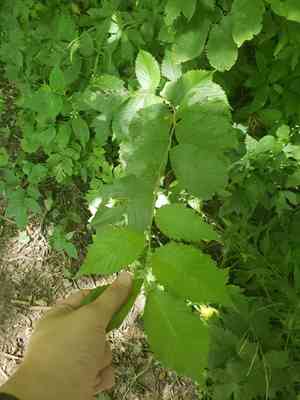
Slippery elm can be reproduced via dormant wood cuttings, air layering, and planting seeds in autumn and winter. The propagation challenge level is intermediate, and indicators of successful reproduction involve fresh shoots and the establishment of a robust root structure. It is advisable to collect cuttings from vigorous, established trees and to ensure steady hydration for best outcomes.
When Is the Optimal Time to Propagate Slippery Elm?
Propagation Type
Cutting
Propagation Season
Autumn,Winter
What Equipment Is Used for Slippery Elm Propagation?
Pruning Shears
Pruning shears are vital for obtaining cuttings from the parent slippery elm tree. They must be sharp and sanitized to ensure a precise cut that minimizes harm to the parent plant and the cutting. A clean cut helps prevent disease and enhances the chances of successful rooting. Bypass pruning shears are often favored for their ability to make clean, close cuts without crushing plant tissues.
Rooting Hormone
Rooting hormone promotes root development in slippery elm cuttings. It contains synthetic auxins, which are plant hormones that stimulate root growth. This helps increase the likelihood of the cutting establishing a strong root system. Rooting hormone usually comes in powder, gel, or liquid form, and the cutting's end is dipped into it before planting.
Sterile Potting Mix
A sterile, well-draining potting mix is crucial for slippery elm cuttings to prevent fungal infections and ensure proper aeration and moisture retention during the rooting process. The mix should be free of pathogens and pests, which could otherwise harm the vulnerable cutting as it attempts to take root.
Propagation Tray or Pots
Propagation trays or small pots hold the slippery elm cuttings while they root. These containers should have adequate drainage holes to avoid waterlogging the potting mix, which can lead to rot. Clear plastic domes can be placed over trays to maintain high humidity and stable temperatures around the cuttings, mimicking a mini greenhouse environment.
Heating Mat
A heating mat is beneficial for creating an optimal rooting environment for slippery elm cuttings, especially in cooler conditions. It gently warms the soil, which can promote faster root development. Consistent bottom heat can also improve the chances of successful propagation by stimulating growth.
Misting System or Spray Bottle
Maintaining high humidity around the slippery elm cuttings is necessary to prevent them from drying out before they establish roots. A misting system can automate the process and provide consistent moisture. A spray bottle can also be used for manual misting if a system isn't available.
Grow Lights
If natural light conditions are not sufficient, especially indoors or during shorter days, grow lights can provide the necessary spectrum of light to support photosynthesis in the slippery elm cuttings. This can contribute to the overall health and vigor of the plant as it establishes roots and begins new growth.
How to Care for Your Newly Propagated Slippery Elm?
How to Care for Your Newly Propagated Slippery Elm?
After successful propagation, gradually acclimate the young slippery elm plants to less humid conditions. Provide them with bright, indirect light and maintain moist soil. As they grow, slippery elm will need a larger pot and eventually to be transferred outdoors. It prefers rich, well-drained soil and can tolerate partial shade to full sun. Monitor for pests and diseases, and prune to shape the tree as needed. Water slippery elm deeply during dry spells, especially within the first few years as it establishes.
Common Mistakes to Avoid When Propagating Slippery Elm
Inadequate cutting selection
Using non-vigorous or unhealthy cuttings from slippery elm can lead to poor rooting success. Cuttings must be healthy and have at least 2-3 sets of leaves to ensure they have enough energy to establish roots.
Overwatering
Overwatering can cause the cuttings of slippery elm to rot before they establish roots. It's crucial to maintain a balance, providing enough moisture to prevent drying out without causing water-logged conditions.
Neglecting humidity
Ignoring the humidity needs of slippery elm cuttings can lead to desiccation. A controlled humidity environment helps cuttings retain moisture and encourages root formation.
Ignoring cleanliness
Using contaminated tools or pots can introduce diseases to slippery elm, affecting the health of the cuttings. Sterilizing equipment before use is necessary to prevent infection.
Planting cuttings too deep
If slippery elm cuttings are planted too deep, they may deplete their stored energy before reaching the soil surface, which can lead to failed propagation.
Faulty soil composition
Choosing the wrong soil mix can impede the rooting of slippery elm. A well-draining yet moisture-retentive medium is essential for the proper growth of the cuttings.
Tips For Propagating Slippery Elm
Select healthy parent plants
Choosing vigorous, disease-free branches from healthy mature slippery elm trees for cuttings increases the likelihood of propagation success.
Moderate watering
Water slippery elm cuttings sufficiently to keep the growing medium moist but not saturated, thus preventing both dehydration and root rot.
Maintain suitable humidity
Creating a humidity dome or using a misting system can help maintain the high humidity levels required for the successful rooting of slippery elm cuttings.
Sterilize equipment
Using clean, sterile tools and containers to take and plant cuttings minimizes the risk of disease for slippery elm propagation.
Proper planting depth
Plant slippery elm cuttings shallowly so they can easily reach the surface and absorb sunlight, allowing them to generate energy for root development.
Prepare ideal soil mix
Using a mix of perlite, sand, and peat, or a similar combination, provides the drainage and moisture retention necessary to support the growth of slippery elm cuttings.



