How to Propagate Wych elm?
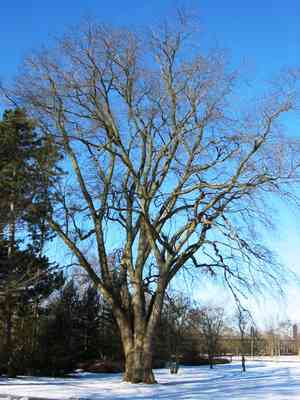
Wych elm reproduces effectively via dormant wood cuttings, air layering, and planting seeds in the fall and winter. Reproduction is typically straightforward, with indicators of success being fresh shoots and root formation. It is crucial to guarantee proper soil drainage and to keep the cuttings or seeds hydrated throughout their initial growth phase.
When Is the Best Time To Propagate Wych Elm?
Propagation Type
Cutting
Propagation Season
Fall,Winter
What Tools Are Used in Wych Elm Propagation?
Pruning shears
Sharp, clean pruning shears are essential for taking cuttings from wych elm. This tool allows for precise cuts, minimizing harm to the parent plant and ensuring a healthy cutting. Clean cuts help prevent disease and promote faster healing and rooting.
Rooting hormone
Rooting hormone powder or liquid encourages root development in wych elm cuttings. Applying rooting hormone increases the likelihood of successful root formation, which is vital for the survival of new wych elm plants.
Sterilizing agent
Tools and cutting surfaces must be sterilized to prevent the spread of diseases to wych elm. Using a sterilizing agent like alcohol or bleach solution ensures all tools are free from harmful microorganisms.
Plant pots
Small pots with drainage holes are used to plant wych elm cuttings. They offer an ideal environment for root growth, allowing for proper water drainage and aeration, which are crucial for healthy root development.
Potting mix
A well-draining potting mix suitable for wych elm cuttings provides necessary support and nutrients. It should be light and airy to encourage root growth and maintain appropriate moisture levels without becoming waterlogged.
Plastic bags or propagator
A clear plastic bag or propagator can cover wych elm cuttings, creating a mini-greenhouse effect. This maintains high humidity around the cutting, preventing water loss through transpiration and aiding rooting.
Labels and markers
Labeling tools are crucial for tracking wych elm cuttings, especially when propagating multiple plants simultaneously. This helps monitor progress and ensures proper care for each plant's specific needs.
How to Care for Your Newly Propagated Wych Elm?
How to Care for Your Newly Propagated Wych Elm?
Once the wych elm cutting has rooted, which may take several weeks, gradually acclimate it to normal conditions by removing the plastic covering for longer periods daily. When roots are well-established, transplant the young wych elm into a larger pot or directly outdoors if conditions are suitable. Maintain moist, fertile soil, protect from strong winds, and provide full to partial sunlight. Watch for common wych elm pests and diseases, and prune as needed to shape the tree and remove any dead or damaged wood.
Common Mistakes to Avoid When Propagating Wych Elm
Overwatering cuttings
Excessive moisture can lead to root rot and fungal diseases, hindering root development and potentially killing the cutting before it establishes.
Using diseased or weak cuttings
Cuttings from unhealthy specimens may not root properly or might spread disease, leading to unsuccessful propagation.
Ignoring wound treatment
Neglecting to treat wounds created during cutting may expose wych elm to pathogens, impeding healthy root development.
Planting cuttings too deep
Inserting cuttings too deep into the substrate can cause the base to rot before roots have a chance to develop.
Neglecting aftercare
Failing to provide adequate care after propagation, such as proper watering and protection from extreme conditions, may result in the loss of the cutting.
Tips For Propagating Wych Elm
Use healthy parent plant
Select healthy, disease-free branches from a vigorous wych elm to ensure the best chance of rooting and strong growth in the progeny.
Prepare appropriate substrate
Create a well-draining and nutrient-rich substrate to promote root formation and support the initial growth of the cuttings.
Maintain optimal humidity
Keep the humidity around the cuttings at an optimal level to encourage rooting without promoting fungal growth.
Provide indirect sunlight
Place cuttings in bright but indirect sunlight to avoid scorching while providing enough light for photosynthesis.
Monitor water levels
Ensure the substrate is consistently moist but not waterlogged to provide the cuttings with adequate water while avoiding root rot.



