How to Propagate Graceful cattail?
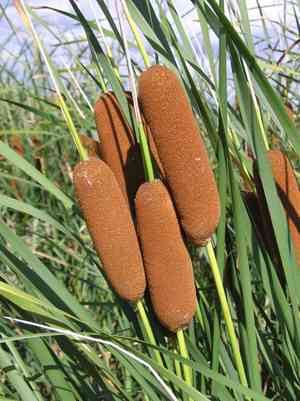
Typha laxmannii flourishes in aquatic environments and is most effectively multiplied through seeding. Cultivators must provide damp substrate and abundant solar exposure to facilitate sprouting and rooting. Meticulous regulation of hydration levels is vital to replicate Typha laxmannii's native surroundings, fostering more robust development. Consistent inspection for common wetland pests will additionally aid the plant's progress.
Optimal Time for Graceful Cattail Propagation
Propagation Method
Seeding
Propagation Period
Spring
Tools for Graceful Cattail Propagation
Seed trays with humidity domes
Seed trays offer a structured area for planting graceful cattail seeds. Their shallow compartments are perfect for maintaining ideal soil conditions and root expansion. Humidity domes cover these trays to retain moisture and warmth, creating a beneficial microclimate for germination.
Sterile potting mix
A sterile potting mix is essential for sowing graceful cattail seeds, as it minimizes the risk of soil-borne diseases that could harm germination and young plant health. The mix should be light to facilitate easy root growth and water penetration.
Watering can with a fine spray
For delicate seeds like those of graceful cattail, a watering can with a fine spray nozzle provides gentle irrigation that doesn't disturb the seeds or cause soil erosion. This tool helps maintain crucial moisture levels for seed germination.
Label and marker
Labels and markers are necessary for identifying seed trays, noting the sowing date, and tracking graceful cattail's growth. This ensures systematic care and monitoring, vital for successful graceful cattail propagation.
Grow lights
Grow lights are useful if natural light is insufficient, especially for indoor graceful cattail propagation. They provide a consistent light source, crucial for the seedling phase by promoting strong, healthy growth.
How to Propagate Graceful Cattail?
Propagation Type
Simple
Caring for Your Newly Propagated Graceful Cattail
Caring for Your Newly Propagated Graceful Cattail?
Keep the soil consistently wet for graceful cattail, as it thrives in wetland and bog conditions. Position the plant in full sun to partial shade. Regularly removing dead foliage can encourage healthier growth and prevent rot. Monitor for pests like aphids and treat with appropriate insecticides if needed. Since graceful cattail is a vigorous grower, managing its spread may be necessary to prevent it from dominating other vegetation in the area.
Common Errors to Avoid When Propagating Graceful Cattail
Overcrowding
Planting graceful cattail too closely can hinder growth due to limited resources such as light, space, and nutrients. Crowded conditions also encourage the spread of diseases and pests, which can severely impact plant health and reduce propagation success.
Incorrect water levels
Graceful cattail thrives in wet environments, and a common error is not providing enough water, leading to stress and poor growth. Conversely, overly stagnant water can promote root rot.
Failure to control spread
Graceful cattail, being a robust grower, can become invasive if not properly managed. Neglecting to control its spread can lead to it overpowering other plant species, potentially resulting in a less diverse ecosystem.
Tips For Propagating Graceful Cattail
Use rhizome sections
Propagate graceful cattail by dividing rhizomes during their dormant period. Each section should have at least one growth bud to ensure successful regrowth.
Provide adequate space
Allow sufficient space for each planted graceful cattail section to ensure access to sunlight and nutrients, reducing competition and promoting healthier growth.
Regular water monitoring
Maintain consistently moist soil conditions for graceful cattail without allowing the area to become waterlogged. This balance helps prevent diseases and supports robust growth.



