How to Propagate Western hemlock?
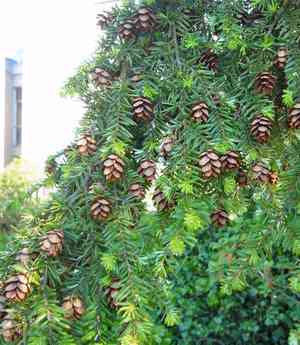
Western hemlock is most effectively propagated during the fall or winter seasons utilizing techniques like layering, cuttings, or seeding. Its propagation presents a moderate challenge, with successful establishment evidenced by the formation of roots and fresh leaves. Guarantee appropriate moisture levels and warmth for the best outcomes.
Optimal Period for Western Hemlock Propagation
Propagation Method
Cutting
Propagation Period
Autumn,Winter
Essential Tools for Western Hemlock Propagation
Sharp pruning shears
These instruments are utilized to obtain cuttings from western hemlock, ensuring clean and precise cuts that help prevent disease and damage to the parent plant. The sharp blades are crucial to avoid crushing the plant tissue, which can negatively impact rooting success.
Rooting hormone
This compound encourages root formation in western hemlock cuttings. Applying the hormone to the cut end of the cutting can significantly increase the chances of successful rooting, providing the necessary auxins that stimulate root growth.
Sterile potting mix
A clean, well-draining potting medium reduces the risk of fungal or bacterial infections that could harm the fragile cuttings of western hemlock. It provides a nurturing environment that supports the development of new roots.
Propagation tray
Designed to accommodate multiple cuttings, these trays are used for efficient and organized propagation. They often feature domes that help retain humidity, creating a mini-greenhouse effect that is advantageous for western hemlock cuttings to establish roots.
Misting bottle or system
Regular misting helps maintain adequate moisture levels around western hemlock cuttings, which is critical for preventing desiccation while they are rooting. Consistent humidity is imperative for the successful establishment of new plants.
Heat mat
This device provides a consistent and gentle bottom heat that encourages root growth in western hemlock cuttings. Heat mats can improve propagation outcomes, especially when propagating in cooler environments.
Labels and marker
Used for identification, labels ensure that different batches of western hemlock cuttings are properly managed and monitored throughout the rooting process. This is important for tracking growth progress and any special treatments applied.
Caring for Your Newly Propagated Western Hemlock
Caring for Your Newly Propagated Western Hemlock
After the western hemlock cuttings have developed a robust root system, gradually acclimate them to the ambient conditions outside the humidity dome. Once acclimated, transplant them into individual pots with a suitable potting mix and continue to keep the soil evenly moist. Provide partial to full shade, avoiding prolonged direct sunlight. Maintain a cooler environment, mimicking western hemlock's native cool and moist forest settings to ensure healthy growth.
Common Pitfalls to Avoid When Propagating Western Hemlock
Overwatering
Excessive moisture can lead to root rot, a common issue with western hemlock, as their roots need to breathe and excessive water impedes this process. This negatively impacts the plant's growth and health, potentially leading to propagation failure.
Too much direct sunlight
Western hemlock prefer shaded or partially shaded environments. Exposing them to full direct sunlight can cause leaf burn, hinder growth, and reduce the plant's overall vigor, negatively affecting the success rate of propagation.
Improper soil mix
Using an incorrect soil mix that does not drain well or lacks organic matter can hinder root development. Western hemlock requires a well-draining, fertile soil mix that can maintain adequate moisture without becoming waterlogged.
Excessive handling
Frequent disturbance of western hemlock roots or the propagation medium can disrupt root development and hinder acclimatization. Delicate handling is crucial for the roots to establish properly in their new environment.
Advice for Propagating Western Hemlock
Moderate watering
Keeping the soil consistently moist but not soaked is vital for western hemlock's root development. Adequate water stimulates growth while preventing waterlogging, which is beneficial for successful propagation.
Providing shade
For optimal growth, western hemlock require dappled light or partial shade, mimicking their natural understory conditions. This protects them from direct sunlight, offering a suitable environment for young plants to establish.
Soil preparation
Create a conducive growing medium by using a well-draining soil with a good amount of organic matter. The right mix will promote healthy root growth and support the overall development of western hemlock.
Gentle handling
During the propagation process, handle western hemlock with care to prevent damage to delicate young roots. A gentle approach will encourage better establishment and growth after propagation.



