How to Propagate Garden nasturtium?
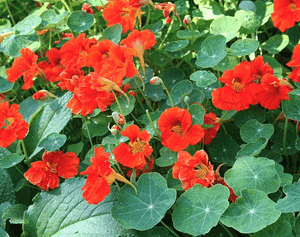
Garden nasturtiums flourish when reproduced by planting seeds in the spring, a process of moderate simplicity. Expect sprouts to emerge within 7 to 10 days, indicating successful cultivation. Provide soil that drains effectively and sufficient room for the best development.
When Is the Optimal Time to Propagate Garden Nasturtium?
Propagation Method
Seeding
Propagation Period
Spring
What Equipment Is Used for Garden Nasturtium Propagation?
Seed trays or pots
These containers offer a dedicated area for garden nasturtium's seeds to sprout. Their size and depth should accommodate the seed's dimensions and root growth. For garden nasturtium, shallow trays are effective as the seeds need light to germinate, and seedlings have moderate root systems. Gardeners can better manage soil quality and moisture levels in a separate propagation container compared to direct garden sowing.
Seed-starting mix
This specialized substrate is formulated to encourage germination and robust root development for garden nasturtium. It is typically well-draining and sterile, minimizing the risk of soilborne diseases affecting young seedlings. The fine texture of the mix ensures good contact with the seeds, which is crucial for garden nasturtium's germination.
Watering can or misting bottle
These tools enable gentle irrigation of garden nasturtium's seeds and seedlings. Maintaining consistent moisture levels is vital for germination and early growth without displacing or oversaturating the seeds. A misting bottle is particularly beneficial for garden nasturtium as it delivers a fine spray that can moisten the soil surface without causing erosion or exposing the seeds.
Transparent cover (e.g., plastic wrap or a propagator lid)
This item helps maintain a humid environment favorable for garden nasturtium's seed germination. By covering the seed tray, it acts like a miniature greenhouse that retains moisture and warmth, accelerating germination. Ensuring adequate ventilation is essential once seedlings emerge to prevent fungal issues.
Plant labels and marker
Labeling tools are crucial for identifying the propagated garden nasturtium. Plant labels assist in tracking the sowing date and variety, especially when propagating multiple cultivars or species, while a weatherproof marker ensures the information remains readable throughout the process.
Gloves
Protective gloves are general gardening tools that shield the propagator's hands during soil handling and planting. This is relevant when working with garden nasturtium, as some individuals may experience skin irritation from contact with the plant.
How to Propagate Garden Nasturtium?
Propagation Method
Seeding
Difficulty Level
Easy
How to Care for Your Newly Propagated Garden Nasturtium?
How to Care for Your Newly Propagated Garden Nasturtium?
Garden nasturtium is a low-maintenance plant once propagated. Place it in a sunny spot with some partial shade to keep the soil temperature moderate. Water regularly, allowing the soil surface to dry out slightly before the next watering. Fertilize with a balanced, water-soluble fertilizer every few weeks during the growing season to support vigorous growth. Monitor for pests and address any infestations promptly with appropriate methods. Remove spent blooms to encourage further flowering.
Common Errors to Avoid When Propagating Garden Nasturtium
Overwatering
Excessive watering can lead to root rot and fungal infections in garden nasturtium seedlings, which are particularly vulnerable to overly moist conditions.
Planting seeds too deep
Garden nasturtium seeds require light to germinate. Planting them too deeply can hinder germination as they might not be able to break through the soil surface.
Ignoring soil composition
Using a soil that is too dense or lacks proper drainage can suffocate garden nasturtium's roots and impede healthy growth.
Overcrowding
Planting garden nasturtium seeds too close together can stunt their growth due to competition for light, nutrients, and air circulation, resulting in underdeveloped plants.
Tips For Propagating Garden Nasturtium
Soil preparation
Utilize a well-draining soil mix for garden nasturtium, as it thrives in loose, fertile soil. Ensuring good drainage is crucial for healthy root development.
Seed spacing
Space garden nasturtium seeds adequately to allow for proper air circulation and growth. A spacing of approximately 10-12 inches apart is recommended.
Appropriate depth
Sow garden nasturtium seeds just beneath the soil surface, as they need light to germinate effectively. A light covering of soil over the seeds is sufficient.
Moderate watering
Water garden nasturtium seeds and seedlings with care. The soil should be kept moist but not waterlogged to prevent root rot and encourage healthy germination and growth.



