How to Propagate Eastern gamagrass?
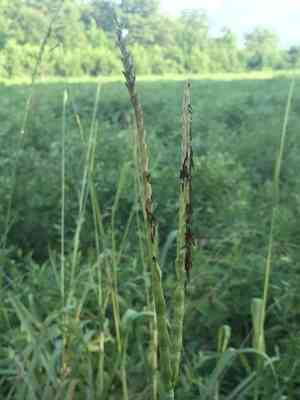
Eastern gamagrass flourishes when multiplied via separation, a technique most effectively performed by gently dividing the root masses. This approach fosters quick rooting and reduces strain on the original plant, guaranteeing a smooth adaptation. Support eastern gamagrass's vigorous development by preserving adequate hydration and supplying a permeable substrate abundant in decomposed organic material.
Optimal Time for Eastern Gamagrass Propagation
Propagation Method
Splitting
Propagation Period
Spring,Autumn
Tools for Eastern Gamagrass Propagation
Sharp Spade or Knife
Primarily used for cutting and separating the robust root system of eastern gamagrass. A sharp spade or knife ensures clean cuts, minimizing damage to the plant's roots, which promotes faster recovery and reduces the chance of disease entry.
Garden Fork
This implement is crucial for loosening the soil around eastern gamagrass before attempting division. It aids in gently lifting the plant from the ground with minimal disruption to its root system, preserving the plant's structural integrity and health during propagation.
Watering Can with a Fine Rose
Following the replanting of eastern gamagrass divisions, consistent and gentle watering is vital. A watering can with a fine rose attachment delivers soft, even moisture that doesn't disturb the newly planted divisions, assisting in better root establishment and reducing transplant shock.
Rooting Hormone (Optional)
Though not essential, applying a rooting hormone can boost root development in eastern gamagrass divisions. This can be particularly beneficial for encouraging stronger root growth in less vigorous divisions, ensuring a higher success rate in establishing new plants.
Plant Labels
Important for tracking divided plants, especially when propagating multiple eastern gamagrass specimens simultaneously. Plant labels help monitor the progress and growth of each division, aiding in effective post-propagation care and maintenance.
How to Propagate Eastern Gamagrass?
Propagation Difficulty
Simple
Caring for Newly Propagated Eastern Gamagrass
Caring for Newly Propagated Eastern Gamagrass
Post-propagation, maintain consistent moisture, especially during warm or dry spells, as eastern gamagrass prefers damp conditions. Mulching around the plants can help retain soil moisture and suppress weeds. Provide partial to full sunlight and shield from strong winds. Apply a balanced fertilizer annually in spring to support vigorous growth. Regularly check for pests and diseases and treat as needed.
Common Errors to Avoid When Propagating Eastern Gamagrass
Excessive watering during germination
Overwatering can lead to root rot and fungal infections, hindering the germination of eastern gamagrass. Persistent excess moisture deprives seeds of essential oxygen, slowing or halting their development.
Sowing seeds too deeply
Eastern gamagrass seeds require light for optimal germination. Planting them too deep can prevent them from receiving adequate light, potentially resulting in poor or failed germination.
Neglecting seed pre-treatment
Eastern gamagrass seeds possess a tough outer layer and may exhibit dormancy. Skipping the pre-treatment or scarification process can significantly reduce germination rates.
Advice for Propagating Eastern Gamagrass
Pre-treat seeds before sowing
Scarify eastern gamagrass seeds to break or soften the hard seed coat, improving water absorption and promoting successful germination.
Sow seeds at the correct depth
Sow eastern gamagrass seeds on the surface and lightly press into the soil but do not cover deeply. This ensures they receive sufficient light to trigger germination.
Maintain appropriate soil moisture
While eastern gamagrass seeds need moist conditions to germinate, it's crucial to avoid waterlogging. Provide a balanced environment by moistening the soil without making it soggy.



