How to Propagate Bloody butcher?
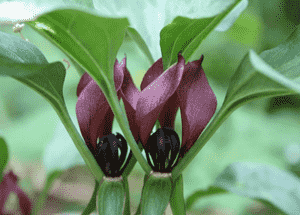
The most effective way to propagate bloody butcher is by dividing the plant, making sure every segment possesses sufficient roots and a minimum of one sprout for robust development. This technique, when carried out at the correct period, contributes to sustaining the vitality and strength of bloody butcher, facilitating its successful integration into new environments. Furthermore, division assists in controlling the plant's expansion, thereby safeguarding the visual appeal and well-being of the garden.
What Is the Best Time To Propagate Bloody Butcher?
Propagation Type
Splitting
Propagation Season
Spring,Autumn
What Tools Are Used in Bloody Butcher Propagation?
Garden Fork or Spade
A garden fork or spade is vital for separating bloody butcher's rhizomatous root structure. This tool aids in carefully lifting the plant from the ground while minimizing root damage. The robust, sharp tines of a garden fork or a well-honed spade can be utilized to gently separate the roots, making it perfectly suited for managing the dense, intertwined roots of bloody butcher without excessive tearing or cutting.
Sharp Knife
For precise division of bloody butcher's rootball, a keen knife is necessary. This enables cleaner cuts through the roots when they are too thick or entangled for manual separation or with a fork. A sharp blade ensures cuts are neat and smooth, lowering disease risk and promoting quicker healing and root development.
Rooting Hormone
Applying a rooting hormone to the freshly cut surfaces of bloody butcher's roots can significantly boost root development after division. This assists in establishing new divisions more rapidly, enhancing the overall success rate of propagation. Rooting hormones stimulate root cell formation and can safeguard cut surfaces from bacterial and fungal infections.
Watering Can with Fine Rose
Following division, bloody butcher requires gentle irrigation to help settle the soil around new roots and eliminate air pockets. A watering can with a fine rose attachment delivers soft, even watering, ideal for newly planted or divided plants, ensuring they receive sufficient moisture without the water's force disturbing their delicate new root structures.
Label and Marker
Labeling each divided section of bloody butcher with pertinent details such as the division date and specific care instructions ensures proper tracking of growth progress and maintenance needs. This helps in identifying particular requirements or adjustments in the care regimen throughout the adaptation period of the new plants.
How to Propagate Bloody Butcher?
Propagation Type
Simple
How to Care for Your Newly Propagated Bloody Butcher?
How to Care for Your Newly Propagated Bloody Butcher?
Bloody butcher plants prefer shade and should be situated in an area that mimics their natural woodland environment. They flourish beneath the canopy of larger trees, receiving dappled light. Consistent watering is crucial, especially during dry spells, but be careful not to overwater as bloody butcher does not tolerate soggy conditions. Fertilize annually with a balanced, slow-release fertilizer to encourage vigorous growth. Mulching with organic material can help retain soil moisture and regulate soil temperature. Monitor for pests and diseases, though bloody butcher is generally resilient if kept in optimal conditions.
Common Mistakes to Avoid When Propagating Bloody Butcher
Over-watering
Excessive watering can lead to root rot in bloody butcher, as the plant prefers well-drained conditions. Too much moisture around the roots can create an environment favorable for fungal infections, potentially killing the plant.
Deep planting
Planting bloody butcher rhizomes too deeply can prevent them from sprouting, as they need a specific depth to effectively generate new growth. This error can significantly delay or inhibit the emergence of shoots.
Ignoring soil pH
Using soil with an unsuitable pH can impede bloody butcher growth. This plant thrives in slightly acidic to neutral soil, and failing to adjust the soil pH can result in poor nutrient absorption and weak development.
Crowded planting
Planting bloody butcher too closely together can lead to competition for nutrients and space, stunting growth and diminishing the overall health of the plants. Adequate spacing is vital for their proper development.
Tips For Propagating Bloody Butcher
Correct Rhizome Depth
Plant bloody butcher rhizomes at the ideal shallow depth to encourage sprouting. A general guideline is to plant them approximately 2-3 inches deep, ensuring they are positioned horizontally.
Moisture management
Maintain consistently moist but well-drained soil conditions for bloody butcher. While the soil should not be waterlogged, sufficient moisture is crucial, especially during the growth period immediately after planting.
Soil amendment
Prepare the planting area for bloody butcher by enriching the soil with organic matter and ensuring it is loose and fertile. Proper soil conditions support healthy root development and plant vitality.
Spacing for growth
Provide ample space between the planted rhizomes of bloody butcher to allow for adequate air circulation and growth expansion. This helps minimize disease risks and promotes robust growth with sufficient access to sunlight and nutrients.



