How to Propagate Water chestnut?
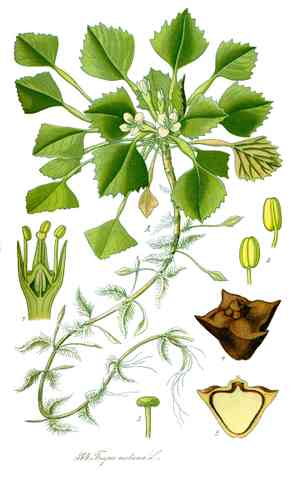
Water chestnut can be successfully reproduced by planting its seeds directly in watery habitats where it flourishes. To achieve effective propagation, prepare a body of water devoid of rival aquatic vegetation, guaranteeing ample sunlight and nutrient access. Plant the seeds superficially, as illumination might assist sprouting. Maintain consistent water depths and routinely check for infestations and ailments to encourage robust development. A solitary water chestnut is capable of generating numerous progeny, thus overseeing and managing its expansion is vital to avert excessive density and potential environmental consequences.
What Is the Best Time To Propagate Water Chestnut?
Propagation Type
Seeding
Propagation Season
Spring
What Tools Are Used in Water Chestnut Propagation?
Floating Seed Trays
These trays are specifically designed for aquatic plants like water chestnut, aiding the initial growth phase directly in water. By keeping seeds at an ideal depth, floating trays mimic water chestnut's natural environment, fostering healthier germination and growth through consistent moisture and good aeration.
Aeration Pump
Crucial for maintaining proper oxygen levels in the water, an aeration pump is vital when propagating water chestnut in a controlled setting. It helps prevent stagnation and the accumulation of harmful anaerobic conditions in the water, which can negatively impact seed germination and young plant vitality.
Water Temperature Gauge
A device to monitor and sustain the water temperature within an optimal range, essential for maximizing the germination rate of water chestnut's seeds. This gauge ensures water conditions replicate the natural temperature shifts that would best encourage water chestnut to thrive.
PH Meter
This instrument measures the water's pH level, which must be suitable for water chestnut's successful germination and early development. Maintaining the correct pH is crucial to prevent growth inhibition caused by an unfavorable environment, ensuring nutrient absorption is optimized.
Nutrient Solutions
Specialized aquatic plant nutrient solutions supply vital minerals that might be lacking in tap or still water. For water chestnut, which absorbs nutrients directly from the water via its roots, these solutions enrich the propagation medium, promoting vigorous initial growth.
How to Propagate Water Chestnut?
Propagation Type
Simple
How to Care for Your Newly Propagated Water Chestnut?
How to Care for Your Newly Propagated Water Chestnut?
Post-propagation, keep water chestnut in a water body that provides ample room for expansion. Water chestnut needs full sun and fresh, nutrient-rich water. Regularly check water conditions, removing any algae or debris that could impair water quality. Water chestnut will form rosettes that float on the surface, so ensure sufficient space for them to spread. As an invasive species in some areas, manage water chestnut's spread by routinely harvesting and removing excess plants to prevent environmental dominance.
Common Mistakes to Avoid When Propagating Water Chestnut
Insufficient water depth
Propagating water chestnut in excessively shallow water can hinder root development. Water chestnut's roots need adequate space to expand and access nutrients; otherwise, they may not anchor properly or obtain sufficient nourishment.
Overcrowding
Planting water chestnut too closely can restrict light access and lead to competition for resources, stunting growth and reducing yield.
Neglecting water quality
Ignoring water quality during water chestnut propagation can result in poor plant health due to pollutants or incorrect pH levels, which can impede growth and potentially cause disease.
Improper handling of seeds
Rough handling or damaging water chestnut's seeds can decrease their viability. Seeds are delicate and easily harmed, impacting germination rates.
Tips For Propagating Water Chestnut
Correct water depth
Ensure the water body where water chestnut is being propagated has sufficient depth to support root development and floating capabilities. This will allow the plant to stabilize and access necessary nutrients.
Spacing
Provide ample space between each water chestnut to prevent overcrowding. This ensures each plant receives adequate light and nutrients, which is essential for optimal growth and development.
Maintain water quality
Regularly check and maintain the water quality for propagating water chestnut, including pH and the absence of pollutants. Clean, nutrient-rich water is key for the health and proliferation of water chestnut.
Gentle seed handling
Handle water chestnut's seeds with care to avoid damage. Ensuring the seeds are intact will promote a higher germination rate and successful propagation.



