How to Propagate Oyster plant?
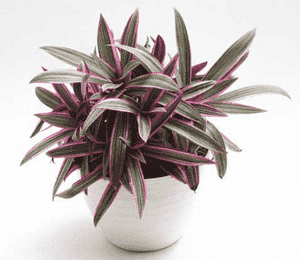
The oyster plant is readily multiplied through cuttings during the prime periods of spring and summer. It is crucial to monitor for the emergence of new roots and shoots, which indicate successful propagation. Ensure the cuttings remain damp and receive ample light for optimal outcomes.
What Is the Best Time To Propagate Oyster Plant?
Propagation Type
Cutting
Propagation Season
Spring, Summer
What Tools Are Used in Oyster Plant Propagation?
Sharp Pruning Shears
Essential for taking oyster plant cuttings, sharp pruning shears create clean cuts that heal quickly and minimize harm to the parent plant. For oyster plant, a sharp blade is vital to ensure cuttings are taken without crushing stems, which could introduce disease or hinder rooting.
Sterilizing Agent (e.g., Rubbing Alcohol or Bleach Solution)
Before cutting oyster plant, sterilizing the pruning shear blades is crucial to prevent pathogen spread. Using a sterilizing agent helps maintain the health of both the parent plant and cuttings by reducing infection risk.
Rooting Hormone
Applying rooting hormone to the base of oyster plant cuttings can significantly boost root development. This is particularly beneficial for oyster plant, as it stimulates quicker and more reliable root growth, leading to a higher propagation success rate.
Potting Medium
A well-draining, sterile potting mix or a blend of peat and perlite offers the perfect environment for oyster plant cuttings to root. This medium supports proper aeration and moisture retention, critical for healthy root development in oyster plant.
Pots or Trays
Small pots or trays are needed for planting oyster plant cuttings once prepared. They should have drainage holes to prevent waterlogging, which could cause root rot in oyster plant.
Plastic Bags or Domes
Creating a humid environment around oyster plant cuttings can improve rooting success. Covering pots or trays with plastic bags or clear domes helps retain moisture and warmth, simulating a beneficial greenhouse effect for oyster plant.
How to Propagate Oyster Plant?
Propagation Type
Cutting
Difficulty Level
Easy
How to Care for Your Newly Propagated Oyster Plant?
How to Care for Your Newly Propagated Oyster Plant?
After successful propagation, continue to care for oyster plant by providing bright, indirect light, watering when the top inch of soil feels dry, and feeding with a balanced liquid fertilizer every 4-6 weeks during the growing season. Avoid overwatering to prevent root rot. Maintain temperatures between 60-80°F and increase humidity, especially in dry environments. Regularly check for pests and diseases and treat them early if they appear.
Common Mistakes to Avoid When Propagating Oyster Plant
Overwatering cuttings
When propagating oyster plant, cuttings are often overwatered, leading to root rot and fungal growth which impedes successful rooting.
Using dull cutting tools
Dull blades can damage oyster plant's stem tissues, causing a poor healing process and lower chances of rooting.
Neglecting the cutting wound
Failing to allow the cut end of oyster plant to callous over before planting can increase the risk of infection and decay.
Ignoring lighting conditions
Propagating oyster plant in inadequate light can result in weak growth and poor root development.
Planting in non-draining pots
Using containers without proper drainage can cause water to accumulate at the bottom, negatively affecting the root health of oyster plant.
Tips For Propagating Oyster Plant
Sharp cutting tools
Use sharp, sterilized cutting tools to ensure clean cuts for less stress and faster recovery in oyster plant.
Proper cut location
Cut just below a leaf node as this is where oyster plant will more likely produce roots.
Callousing before planting
Allow the cut ends to callous for a few days to reduce risk of rot and fungal infections.
Suitable growing medium
Plant oyster plant cuttings in a well-draining soil mix to prevent waterlogging and promote root health.
Balanced lighting
Provide oyster plant with bright, indirect light to encourage strong and healthy root formation.



