How to Propagate Windmill palm?
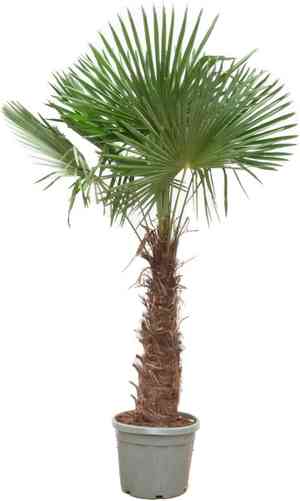
The primary method for propagating Windmill palm is via seed dispersal, preferably in the springtime. This process is generally regarded as moderately straightforward, with the appearance of new sprouts signifying successful propagation. To achieve the best development, provide a growing medium that drains effectively and maintains steady hydration.
Optimal Time for Windmill Palm Propagation
Propagation Method
Seeding
Propagation Period
Spring
Tools for Windmill Palm Propagation
Seed trays
Offer a regulated setting for the germination of windmill palm seeds. Their shallow design allows for simple monitoring of soil moisture and includes drainage holes to prevent waterlogging, vital for windmill palm's seed germination success.
Heat mat
Provides consistent warmth from below, encouraging quicker germination of windmill palm seeds, which is especially useful as windmill palm is a palm that naturally germinates in warmer climates.
Sterile potting mix
Minimizes the risk of soil-borne pathogens affecting delicate windmill palm seedlings. A well-draining mix is crucial for windmill palm, as it imitates their native soil conditions and ensures robust root growth.
Misting bottle
Ensures gentle hydration of windmill palm seeds and seedlings without disturbing the soil or causing erosion. Consistent moisture is critical for windmill palm seed germination, but overwatering is detrimental, making misting an ideal method.
Tweezers
Enable precise handling and placement of windmill palm seeds during sowing, reducing physical damage to the seeds which can affect germination rates.
Perlite or vermiculite
Additives that enhance soil aeration and drainage when combined with the potting mix. They are particularly beneficial for windmill palm, as they facilitate better root growth and prevent soil compaction.
Plastic dome or wrap
Creates a miniature greenhouse effect over the seed tray, maintaining high humidity and stable temperatures, both of which are advantageous for windmill palm seed germination.
Grow lights
Supply the necessary light spectrum for windmill palm seedlings when natural sunlight is insufficient, ensuring vigorous growth after germination.
Labels and markers
Used to identify seed trays with planting dates and plant species, which is essential for tracking germination progress and organizing multiple propagation projects.
Pruning shears
These are utilized for trimming any dead or diseased foliage on windmill palm seedlings, which is important to prevent disease spread and to encourage healthier growth.
How to Propagate Windmill Palm?
Propagation Type
Sowing
Difficulty Level
Easy
Caring for Your Newly Propagated Windmill Palm
Caring for Your Newly Propagated Windmill Palm
Post-propagation, ensure windmill palm seedlings are placed in a bright, indirectly lit area, shielded from strong winds. Water them when the top inch of soil feels dry, but avoid overwatering as windmill palm does not tolerate waterlogged conditions. Apply a slow-release fertilizer during the growing season for nutrient support. As they mature, gradually acclimatize the plants to outdoor conditions if they are to be planted in the ground, choosing a sunny spot with well-draining soil. In colder climates, windmill palm seedlings may require extra protection or to be moved indoors during winter. Regularly inspect for pests and diseases and treat them promptly to ensure healthy development.
Common Mistakes to Avoid When Propagating Windmill Palm
Overwatering
Excessive watering can lead to root rot in windmill palm which prefers well-draining soil. Saturated substrates can cause fungal infections and damage the root system, impacting the plant's ability to establish and grow.
Using too small containers
Starting windmill palm seeds or seedlings in containers that are too small can restrict root growth. Limited space for roots can stunt the plant's development and reduce the success rate of propagation.
Ignoring soil composition
Utilizing incorrect soil mixtures can be detrimental because windmill palm requires a specific balance of nutrients and drainage. Incorrect soil can lead to nutrient deficiencies or excess water retention, both harmful for windmill palm.
Planting depth
Planting seeds or offshoots too deep or shallow can hinder germination and root establishment for windmill palm. Incorrect depth affects access to necessary light and air, potentially leading to unsuccessful propagation.
Tips For Propagating Windmill Palm
Use well-draining pots
Select pots with ample drainage holes for windmill palm. Good drainage helps prevent water accumulation and protects against root rot, promoting healthier root development.
Right soil mix
Employ a well-draining soil mix with organic matter that retains slight moisture but allows excess water to pass. Windmill palm thrives in a soil that mimics its natural growing conditions.
Seed scarification
For seeds, gently scarifying the outer coat can enhance water absorption and improve germination rates of windmill palm, as their seeds have hard casings that sometimes impede water penetration.
Optimal planting depth
Plant windmill palm seeds at the correct depth, which is usually around the same thickness as the seed itself. This offers the seed the right balance of moisture, warmth, and air needed for successful germination.



