How to Propagate Small-leaved lime?
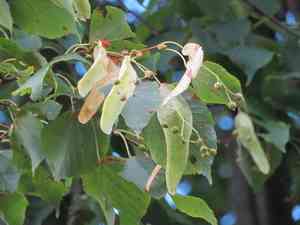
Tilia cordata can be reproduced via dormant wood cuttings, aerial layering, and seed germination. The most suitable period for reproduction is during the fall and winter months. The process of propagation is regarded as straightforward, with indicators of successful establishment being the emergence of fresh sprouts and robust root development. When employing dormant wood cuttings for propagation, selecting vigorous and pathogen-free branches is crucial.
Optimal Time for Small-leaved Lime Propagation
Propagation Type
Cutting
Propagation Season
Autumn,Winter
Tools for Small-leaved Lime Propagation
Pruning Shears
Essential for taking cuttings from small-leaved lime, pruning shears must be sharp and clean to make precise cuts without damaging the parent plant or introducing pathogens. A clean cut helps ensure a higher success rate for the cuttings to develop roots.
Rooting Hormone Powder or Gel
Enhances the probability of successful root formation in small-leaved lime cuttings. Rooting hormone contains auxins that stimulate root growth and can protect the cut end against fungal infections. Apply directly to the cut site before planting.
Propagation Trays
Hold cuttings of small-leaved lime in a stable environment to promote root growth. These trays typically feature individual cells that hold each cutting separately, allowing for adequate air circulation and minimizing disease spread between cuttings.
Sterile Potting Mix
Provides a disease-free medium conducive to root growth for small-leaved lime cuttings. A mix of peat, perlite, and vermiculite offers excellent drainage and moisture retention, essentials for new root formation.
Humidity Dome
Creates a controlled humidity environment for small-leaved lime cuttings to prevent excess water loss. A dome fits over the propagation tray, maintaining high humidity around the cuttings, which is crucial until the new roots can adequately absorb water.
Heat Mat
Facilitates the root development of small-leaved lime by maintaining a consistent soil temperature. Rooting often requires a warm environment, and a heat mat ensures that the soil temperature remains within an optimal range for small-leaved lime cutting propagation.
Watering Device with Mist Setting
Ensures small-leaved lime cuttings receive moisture in a gentle manner that does not disturb the new roots. A mist setting provides hydration without compacting the soil or washing away rooting hormone.
Post-Propagation Care for Small-leaved Lime
How to Care for Your Newly Propagated Small-leaved Lime?
Once the small-leaved lime cuttings have developed sufficient roots, usually evident by new growth, gradually acclimate them to standard growing conditions. Provide the young plants with the same care as mature small-leaved lime, which includes placing them in a location with full sun to partial shade and watering regularly to keep the soil evenly moist. As small-leaved lime grow large, ensure they are planted in an appropriate space with room for development. Prune annually to maintain desired shape and size and check periodically for pests and diseases.
Common Mistakes to Avoid When Propagating Small-leaved Lime
Overwatering
Excessive watering can lead to root rot, which is detrimental for small-leaved lime's health. A soggy substrate can cause the decay of new roots, impeding the plant's growth and potentially killing the propagating material.
Deep planting
Planting cuttings or seeds too deep can prevent small-leaved lime from breaking through the soil surface. This can cause the propagules to expend all their stored energy before reaching the light, which is essential for photosynthesis and growth.
Neglecting cleanliness
Not sterilizing tools or using unclean containers when propagating small-leaved lime can introduce pathogens, which might result in fungal infections or diseases that can be detrimental to the young plants.
Ignoring humidity levels
If the humidity levels are too low, the cuttings of small-leaved lime may desiccate before they have the chance to root. Conversely, too high humidity can promote mold and fungal growth, which can harm the propagating material.
Tips For Propagating Small-leaved Lime
Appropriate substrate
Using a well-draining and lightweight substrate is crucial for the successful propagation of small-leaved lime. It supports root development and prevents water-logging, creating an ideal environment for new roots to grow.
Correct planting depth
Seeds or cuttings should be placed at an appropriate depth in the substrate. This depth should be shallow enough to allow light to reach the propagules, yet deep enough to provide support and retain some moisture.
Sterilization of tools
Sterilize all tools and containers before starting the propagation of small-leaved lime to prevent infections and ensure healthy growth. Regularly cleaning equipment also contributes to a disease-free propagation process.
Humidity control
Maintaining balanced humidity levels is key for small-leaved lime propagation. Using clear plastic covers can help retain moisture while allowing light penetration, but they should be removed periodically to prevent mold growth.



