How to Propagate Amur lime?
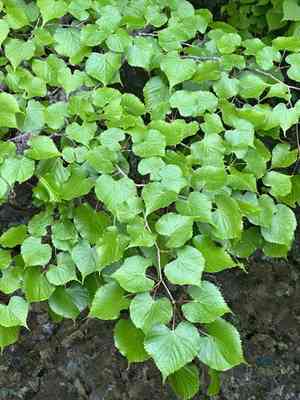
Tilia amurensis flourishes most effectively when multiplied via cuttings, a straightforward and productive method. Make certain to choose vigorous, pathogen-free stems and sever them at a joint for superior root initiation prospects. The cuttings should ideally measure 6-10 inches in length to provide a sturdy base. Submerge the tip of each cutting in rooting compound prior to potting to hasten development and improve root formation. Consistent irrigation and steady environmental factors will aid in the successful establishment of young plants.
Optimal Period for Amur Lime Propagation
Propagation Method
Cutting
Propagation Period
Autumn,Winter
Tools Required for Amur Lime Propagation
Sharp Pruning Shears
Sharp pruning shears are vital for making clean, precise cuts when taking stem cuttings from amur lime. These tools minimize damage to both the parent plant and the cutting, boosting the likelihood of successful rooting. A clean cut helps prevent infections and promotes faster healing of the cut surfaces.
Rooting Hormone
Rooting hormone, in powder or gel form, encourages root development from amur lime cuttings. Applying this hormone to the cut end of the cutting enhances root formation, thereby increasing the chances of successful propagation. Rooting hormones can significantly improve propagation rates and shorten the rooting period.
Sterile Potting Mix
A high-quality, sterile potting mix offers a healthy growth medium free of disease-causing agents, which is essential for the initial growth phase of amur lime cuttings. The mix should drain well yet retain sufficient moisture to support root development without becoming waterlogged, which could cause rot.
Humidity Dome or Plastic Covers
Maintaining a high humidity environment around amur lime cuttings is crucial to prevent moisture loss from the leaves. A humidity dome or clear plastic cover over the potting area helps maintain the necessary humidity levels and encourages successful rooting and initial growth.
How to Propagate Amur Lime?
Propagation Type
Moderately Difficult
How to Care for Your Newly Propagated Amur Lime?
How to Care for Your Newly Propagated Amur Lime?
Once roots are established, gradually introduce the new amur lime plants to less humid conditions before moving them to larger containers or outdoor sites. Ensure adequate spacing and sufficient exposure to sunlight. Regular watering, especially during dry spells, and occasional fertilization will support healthy growth. As amur lime matures, annual pruning will help manage its size and shape, contributing to a robust tree.
Common Mistakes to Avoid When Propagating Amur Lime
Overwatering
Excessive watering can lead to root rot in amur lime, a condition that deprives the roots of oxygen, hindering nutrient absorption and potentially leading to plant demise.
Using old or contaminated soil
Utilizing poor quality or previously used soil can introduce pathogens or pests that can harm amur lime, leading to poor growth or disease.
Too deep planting
Planting amur lime cuttings too deeply can restrict their oxygen supply, which is crucial for root initiation and growth, consequently reducing propagation success.
Tips For Propagating Amur Lime
Optimal cutting selection
Choose healthy and disease-free stems for cuttings. This ensures the best potential for root development and overall plant health in amur lime.
Soil preparation
Use a well-draining, nutrient-rich potting mix to promote effective root growth and provide a healthy environment for amur lime.
Monitoring moisture levels
Maintain consistent moisture in the soil, but ensure it is not waterlogged. Proper moisture levels are critical for root formation in amur lime without risking root rot.



