How to Propagate Tiger grass?
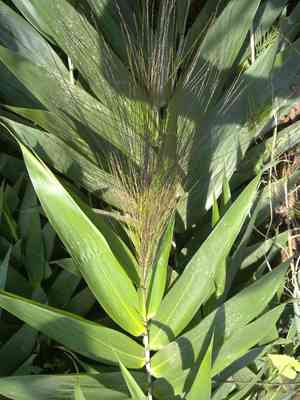
Featuring elongated, narrow leaves akin to bamboo, tiger grass is frequently multiplied via separation, a technique highly compatible with its growth patterns. For effective regeneration, separate the clusters using keen, sanitized implements, ensuring every segment possesses a robust root section. Embed the separated portions into a potting blend that drains efficiently and irrigate regularly to sustain dampness, which will foster swift root formation and aid in their establishment.
When Is the Optimal Time to Propagate Tiger Grass?
Propagation Method
Division
Propagation Period
Spring,Autumn
What Implements Are Utilized in Tiger Grass Propagation?
Sharp, Sterilized Spade or Knife
A premium, keen spade or blade is essential for the division technique as it guarantees precise cuts into the tiger grass rootball. Clean cuts are vital as they minimize root damage, fostering quicker recovery and lowering infection risk. The tool must be sterilized to prevent pathogen spread that could harm tiger grass.
Garden Forks
These are employed to loosen the soil surrounding tiger grass prior to division. Using garden forks aids in gently lifting the plant from the ground while minimizing root harm. The tines of the fork are perfect for this task as they can be maneuvered easily around the roots, allowing for a more accurate and careful excavation.
Watering Can with a Fine Rose
Following tiger grass division, it's crucial to ensure sufficient water supply to help the newly planted sections establish. A watering can with a fine rose attachment delivers a gentle water flow that won't disturb the soil or newly positioned roots. Proper hydration assists in the recovery and rooting process.
Rooting Hormone
Applying a rooting hormone to the severed root sections can significantly boost the propagation success rates for tiger grass. The hormone stimulates root growth, ensuring new plants establish quickly and effectively. These substances are particularly beneficial as they help compensate for the trauma inflicted during the division process.
How to Propagate Tiger Grass?
Propagation Difficulty
Easy
How to Care for Your Newly Propagated Tiger Grass?
How to Care for Your Newly Propagated Tiger Grass?
Post-propagation, it's important to provide adequate care to ensure healthy tiger grass growth. Ensure the plant receives partial to full sunlight and maintain consistently moist soil. Avoid waterlogging to prevent root rot. Apply a balanced, slow-release fertilizer annually at the start of the growing season to support robust growth. Monitor for pests and diseases and treat appropriately to maintain plant health.
Common Errors to Avoid When Propagating Tiger Grass
Overwatering
Excessive water can lead to root rot in tiger grass, which is detrimental as it damages the plant's root system, hindering its ability to absorb nutrients and water effectively.
Using non-draining containers
Containers lacking proper drainage can cause water to accumulate around the tiger grass roots, promoting fungal infections and root decay.
Incorrect soil mix
Employing a soil mix that doesn't provide adequate drainage or the right nutrient balance can impede tiger grass growth, restricting its developmental potential.
Advice For Propagating Tiger Grass
Use well-draining soil
A potting mix with good drainage supports the healthy root development of tiger grass, reducing risks of waterlogging and root diseases.
Properly sized containers
Choosing the right size container for propagation allows adequate space for the roots of tiger grass to grow and thrive, avoiding overcrowding which can stress the plant.
Regular monitoring
Keeping an eye on the moisture levels and general health of tiger grass can prevent issues such as overwatering or disease, ensuring a more successful propagation.



