How to Propagate Creeping thyme?
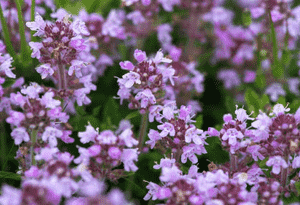
Creeping thyme flourishes when multiplied in spring and summer via cuttings. This propagation method is quite straightforward, and the emergence of new shoots indicates successful rooting. Utilize a growing medium with good drainage to foster robust root formation.
What Is the Best Time To Propagate Creeping Thyme?
Propagation Type
Cutting
Propagation Season
Spring, Summer
What Tools Are Used in Creeping Thyme Propagation?
Sharp Pruning Shears
Crucial for making clean cuts on stems without harming the parent plant or the cuttings. Sharp shears ensure precise cuts, lowering disease risk and promoting faster healing.
Rooting Hormone Powder
Promotes quick and robust root formation on creeping thyme cuttings. This powder stimulates root growth, which is vital for new plants to establish successfully.
Sterile Potting Mix
Offers a pathogen-free environment for cuttings to develop roots. A well-draining, nutrient-balanced medium is essential for the delicate roots of creeping thyme.
Small Pots or Trays
Used for planting creeping thyme cuttings after hormone treatment. Pot size should match cutting size, allowing ample root expansion without excess space.
Plastic Bags or Propagation Dome
Creates a humid microclimate, vital for keeping creeping thyme cuttings hydrated and encouraging root formation until they can absorb water from the soil.
Heating Mat
An optional tool that provides consistent warmth to the base of cutting trays or pots. This aids rooting by maintaining an optimal temperature in the root zone, especially useful in cooler climates.
How to Propagate Creeping Thyme?
Propagation Type
Cutting
Difficulty Level
Easy
How to Care for Your Newly Propagated Creeping Thyme?
How to Care for Your Newly Propagated Creeping Thyme?
Ensure consistent moisture for new creeping thyme plants, but let the soil dry slightly between waterings to prevent rot. Position them in full sun to partial shade and shield young plants from harsh weather. Once established, creeping thyme is drought-tolerant, so water less often. Fertilize sparingly, as it prefers less fertile soils. Trim regularly to encourage dense growth and prevent legginess.
Common Mistakes to Avoid When Propagating Creeping Thyme
Overwatering
Excessive water can cause root rot in creeping thyme, which thrives in well-draining soil. Overwatering can foster fungal diseases and impede root development in cuttings or young plants.
Deep planting
Planting cuttings or divisions too deeply can lead to stem rot in creeping thyme. This species needs light and air at the soil surface to establish a strong root system.
Neglecting to trim
Failure to prune or trim creeping thyme after rooting can result in leggy, overgrown plants with reduced vigor. Regular trimming promotes bushier growth and enhances overall plant health.
Using poor-quality cuttings
Propagating creeping thyme with damaged or diseased cuttings leads to poor growth and may introduce pathogens to the propagation medium, impacting the success rate and health of new plants.
Tips For Propagating Creeping Thyme
Soil preparation
Utilize a well-draining soil mix to encourage healthy root development and prevent waterlogging, as creeping thyme prefers a drier environment.
Appropriate cutting size
Take cuttings that are 2-4 inches long with several leaf sets, as this size is optimal for creeping thyme to develop roots and grow into a healthy plant.
Indirect light
Provide bright, indirect light for creeping thyme cuttings to ensure adequate growth without the risk of scorching delicate new foliage.
Humidity control
Maintain moderate humidity around creeping thyme cuttings by covering them with a plastic dome or bag to create a greenhouse effect, which helps prevent the cuttings from drying out while rooting.



