How to Propagate Arborvitae?
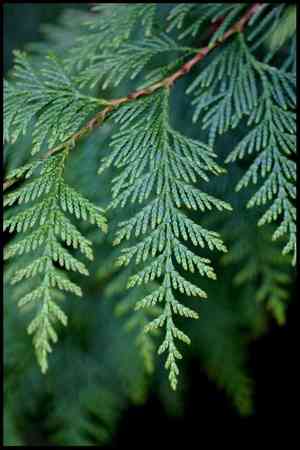
Arborvitae can be multiplied via layering, cuttings, or seeds, with the most suitable period being fall or winter. Its propagation presents a moderate challenge, and the emergence of new shoots signifies successful multiplication. Maintaining adequate hydration and structural assistance is vital for successful propagation.
Optimal Period for Arborvitae Propagation
Propagation Method
Cutting
Propagation Period
Autumn,Winter
Essential Tools for Arborvitae Propagation
Pruning Shears
Sharp, clean pruning shears are crucial for taking arborvitae cuttings. They ensure a precise cut, promoting better healing and reducing disease risk. Their accuracy is vital for cutting at the desired node, which is key for successful rooting.
Rooting Hormone
Rooting hormone enhances the likelihood of successful root development when propagating arborvitae cuttings. This substance stimulates root growth at the cutting's base, improving the plant's ability to establish a healthy root system.
Sterile Potting Mix
Utilizing a sterile potting mix helps prevent infection from soil pathogens during the delicate rooting process of arborvitae cuttings. The mix provides necessary aeration and moisture retention, which are conducive to root growth.
Propagation Tray
A propagation tray offers a controlled environment for arborvitae cuttings to root. It aids in maintaining consistent moisture levels and, when paired with a humidity dome, creates an ideal microclimate for root establishment.
Humidity Dome
A clear plastic humidity dome fits over the propagation tray to boost humidity, which is beneficial for preventing arborvitae cuttings from drying out. High humidity encourages root development and minimizes water loss from the cuttings.
Heat Mat
A heat mat gently warms the rooting medium, which can improve the rooting success rates for arborvitae cuttings by providing a consistent and appropriate temperature for root development.
Watering Can with a Fine Rose
This tool allows for a gentle and fine dispersion of water for the arborvitae cuttings without disturbing the soil or cuttings. Controlled watering is crucial to avoid over-saturation, which can lead to rot.
Disinfectant for Tools
Disinfectant ensures that all cutting and planting tools are free of pathogens, minimizing the potential for disease transmission to arborvitae during the propagation process.
Post-Propagation Care for Your Arborvitae
Post-Propagation Care for Your Arborvitae
Once the arborvitae has rooted and begun to grow, provide regular watering to keep the soil consistently moist, but avoid overwatering, which can lead to root rot. Position the young plant in an area with full sun to partial shade, according to arborvitae's light requirements. Gradually introduce the new arborvitae to outdoor conditions if it was propagated indoors before planting it in the ground. Amend soil with compost to improve nutrition and drainage and apply a balanced slow-release fertilizer in the spring. Monitor for pests and diseases and prune any dead or diseased branches to promote healthy growth.
Common Pitfalls to Avoid When Propagating Arborvitae
Overwatering during rooting
Excessive moisture can lead to root rot and fungal diseases, posing a risk to the health of arborvitae's cuttings.
Improper cutting selection
Choosing weak, diseased, or non-vigorous cuttings from arborvitae can result in poor rooting and growth.
Neglecting humidity needs
Arborvitae cuttings require a balanced humidity environment; too low can cause cuttings to dry out, and too high can encourage mold growth.
Using non-sterile tools
Propagation with contaminated tools can introduce pathogens to arborvitae cuttings, hindering their development and risking disease spread.
Advice for Propagating Arborvitae
Use healthy parent plants
Cuttings from robust and disease-free arborvitae are more likely to root successfully and propagate.
Provide adequate light
Ensuring arborvitae cuttings receive sufficient, but not direct, sunlight supports photosynthesis and healthy root development.
Maintain proper moisture
Water arborvitae's cuttings moderately to keep the rooting medium slightly moist, which promotes root growth without causing rot.
Create a suitable rooting environment
Using a rooting hormone and a well-draining medium will foster a supportive environment for arborvitae's cuttings to establish roots.



