How to Propagate Hardy canna?
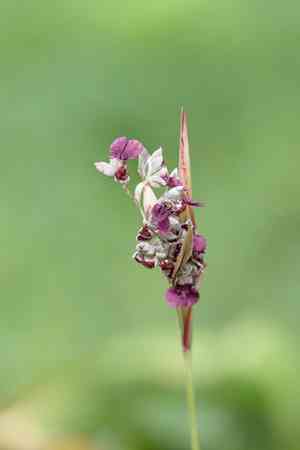
Robust canna flourishes when reproduced via segmentation. For successful development, carefully divide its rhizomes in the initial part of spring, during the plant's dormant phase. Select vigorous, sturdy portions and immediately replant them in damp, adequately draining earth, ensuring sufficient exposure to sunlight. Consistent irrigation will aid in root establishment, though it's crucial to prevent excessive moisture. This technique enables cultivators to cultivate new specimens that replicate the vigor and aesthetic appeal of the original plant.
Optimal Period for Propagating Hardy Canna
Propagation Method
Separation
Propagation Period
Spring,Autumn
Tools Required for Hardy Canna Propagation
Sharp Garden Knife
A keen garden blade is vital for cleanly severing the rhizomes of hardy canna during division. This minimizes plant tissue damage, encouraging faster recovery and lowering disease risk. Precise cuts from a sharp knife help maintain the health and vitality of both the parent plant and new divisions.
Garden Fork or Spade
A robust garden fork or shovel is employed to carefully extract hardy canna from the earth without unduly disturbing its root system. This implement is crucial for initiating the division process by gently loosening the soil around the roots and aiding in the safe removal of the plant from the ground.
Pruning Shears
Pruning shears are used to trim any surplus or dead foliage and roots of hardy canna before and after division. This not only simplifies handling but also directs the plantâs energy towards establishing new growth. Properly cleaned and sharpened pruning shears ensure clean cuts that promote rapid plant healing.
Rooting Hormone (Optional)
While not compulsory, rooting hormone can be advantageous for boosting root development in new hardy canna divisions. Applying rooting hormone can stimulate quicker root formation, ensuring better establishment of the new plants.
Plant Pots with Fresh Potting Soil
Following division, the new sections of hardy canna should be transplanted into individual containers filled with fresh, well-draining potting mix. This guarantees that each division has the necessary nutrients and space to develop roots and grow effectively. The quality of the potting medium is essential for preventing diseases and providing an ideal environment for root growth.
How to Propagate Hardy Canna?
Propagation Type
Simple
Caring for Your Newly Propagated Hardy Canna
Caring for Your Newly Propagated Hardy Canna
Post-propagation, ensure hardy canna is situated in an area that mimics its natural wetland environment. The spot should receive partial to full sunlight. Maintain high soil moisture levels; hardy canna thrives in boggy or aquatic conditions. Regularly inspect for pests and diseases, especially during the growing season, and treat as needed. During winter, if in a colder climate, apply mulch to safeguard the root system. Monitor growth and divide every few years to revitalize and prevent overcrowding.
Common Errors to Avoid When Propagating Hardy Canna
Excessive watering during root development
Too much moisture can cause root rot in hardy canna, which is particularly vulnerable during the initial stages of root growth. This reduces the likelihood of successful propagation as it hinders healthy root development.
Using unsuitable soil medium
Employing a soil mix that lacks proper drainage or fails to meet the specific aeration and moisture requirements of hardy canna can impede root formation and growth, potentially leading to propagation failure.
Cutting overly large or small rhizome pieces
Severing rhizome sections that are too large can diminish the efficiency of energy utilization, while sections that are too small may lack sufficient energy reserves to support new growth, both resulting in lower propagation success rates.
Advice for Propagating Hardy Canna
Correct rhizome sectioning
Ensure that each rhizome section used for propagation contains at least one bud. Sections should be approximately 2-4 inches long to balance energy reserves and maximize growth potential.
Optimal soil conditions
Utilize a well-draining soil mix enriched with organic matter to promote adequate moisture retention and support nutrient absorption, vital for the healthy growth of hardy canna.
Sufficient watering
Maintain consistent moisture levels without overwatering. Keep the soil moist but not waterlogged, providing an environment conducive to root development for hardy canna.



