How to Propagate Japanese ternstroemia?
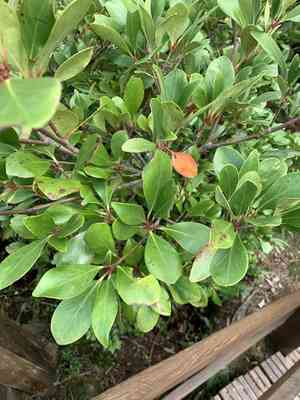
Japanese ternstroemia is most effectively propagated via cuttings taken in the spring and summer seasons. This plant presents a moderate challenge level for successful propagation. Indicators of successful propagation include visible root development and the emergence of fresh foliage. Utilize a growing medium that drains efficiently and sustain adequate humidity levels to achieve superior outcomes.
Optimal Time for Japanese Ternstroemia Propagation
Propagation Method
Cutting
Propagation Period
Spring, Summer
Tools for Japanese Ternstroemia Propagation
Sanitized Pruning Shears
Pruning shears are vital for obtaining cuttings from japanese ternstroemia. They must be sharp to ensure precise cuts, minimizing harm to both the source plant and the cutting. This promotes faster healing for the mother plant and improved root formation for the cutting.
Rooting Stimulant
Rooting hormone encourages root formation on japanese ternstroemia cuttings. It helps boost the likelihood of successful root development. This is crucial as japanese ternstroemia cuttings might not readily root without this encouragement.
Sterile Growing Medium
A sterile potting mix is crucial for planting japanese ternstroemia cuttings. It lowers the chance of soil-borne illnesses affecting new cuttings, thereby increasing the success rate of propagation.
Misting Sprayer
A misting bottle is utilized to maintain moisture levels around japanese ternstroemia cuttings. This is essential for preventing drying out until the cutting has established roots and can absorb water independently.
Propagation Trays with Covers
Propagation trays with transparent domes are employed to create a miniature greenhouse effect for japanese ternstroemia cuttings. This aids in maintaining consistent humidity and temperature, both critical for root development. The dome also allows light to reach the cuttings while shielding them from direct sun.
Heating Mat
A heating mat provides warmth to the base of the propagation tray, which can accelerate root growth for japanese ternstroemia cuttings, especially in cooler conditions. This is because japanese ternstroemia may benefit from a slightly warm rooting environment.
How to Propagate Japanese Ternstroemia
Propagation Method
Cutting
Difficulty Level
Moderately Challenging
Caring for Your Newly Propagated Japanese Ternstroemia
Caring for Your Newly Propagated Japanese Ternstroemia
After propagation, japanese ternstroemia plants need bright, indirect light, regular watering when the soil's surface feels dry, and protection from extreme temperatures. Fertilize monthly during the active growth period with a balanced liquid fertilizer. As the plants mature, repot them as needed to accommodate growth, typically every 2-3 years.
Common Errors to Avoid When Propagating Japanese Ternstroemia
Excessive watering of cuttings
Too much moisture can lead to root rot and bacterial or fungal infections, which can be fatal for japanese ternstroemia's delicate cuttings during propagation.
Using poorly draining soil
Soil that retains too much water can cause stagnation around japanese ternstroemia roots, hindering healthy root development and increasing disease risk.
Ignoring humidity requirements
Japanese ternstroemia cuttings need consistent humidity to root successfully. Neglecting this can result in dehydration and poor establishment of the propagated plants.
Taking cuttings from unhealthy parent plants
Cuttings from diseased or weak parent plants will likely transfer issues to the propagated offspring, leading to poor growth or failure to establish.
Disregarding sanitation
Using uncleaned tools or containers for propagation can introduce pathogens to japanese ternstroemia, which can prevent successful rooting or even kill the cuttings.
Advice for Propagating Japanese Ternstroemia
Utilize sharp, sanitized tools
Ensure all cutting instruments are disinfected and sharp to make clean cuts on japanese ternstroemia. This minimizes damage and reduces the risk of disease transmission.
Choose healthy parent plants
Propagate from robust and disease-free specimens to give japanese ternstroemia cuttings the best chance of rooting and growing vigorously.
Maintain appropriate moisture levels
Keep the soil of japanese ternstroemia consistently moist but not waterlogged to support root development without risking rot or disease.
Ensure proper soil aeration
Provide a well-draining potting mix that facilitates root growth and gas exchange for the developing roots of japanese ternstroemia.
Create a humid environment
Use a humidity dome or a plastic bag to cover japanese ternstroemia's cuttings, maintaining high humidity around them to prevent dehydration and encourage rooting.



