How to Propagate Yellow trumpetbush?
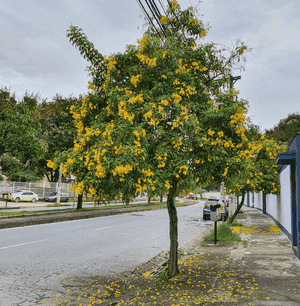
Yellow trumpetbush is most effectively propagated via cuttings and layering, preferably in the springtime. Its propagation process is fairly straightforward, with successful outcomes indicated by robust shoot development and root formation. Sustaining appropriate humidity levels enhances the survival rate of cuttings.
Optimal Period for Yellow Trumpetbush Propagation
Propagation Method
Cutting
Propagation Period
Autumn,Winter
Tools Required for Yellow Trumpetbush Propagation
Sharp pruning shears
These shears are used for taking cuttings from yellow trumpetbush, ensuring a clean and precise cut, which minimizes damage to the parent plant and increases the likelihood of successful rooting. A clean cut helps prevent infection and promotes quicker healing at the cut site.
Rooting hormone powder
This product stimulates root growth on yellow trumpetbush cuttings, enhancing the probability of successful propagation. The hormone encourages faster and more uniform root development, which is vital for new plant establishment.
Sterile potting mix
A well-draining and pathogen-free medium is crucial for planting yellow trumpetbush cuttings, providing a healthy environment for root growth while reducing disease risk.
Plant pots with drainage holes
These containers are essential for proper water management during the yellow trumpetbush rooting process. Sufficient drainage is necessary to prevent root rot and other moisture-related problems.
Plastic bags or a humidity dome
Maintaining high humidity is critical for yellow trumpetbush cuttings to prevent drying out before roots establish. These tools create a microenvironment with the required humidity levels.
Heating mat
Optional but beneficial, a heating mat provides consistent warmth to the base of yellow trumpetbush cuttings, encouraging faster root development, especially in cooler climates or seasons.
Post-Propagation Care for Your Yellow Trumpetbush
Post-Propagation Care for Your Yellow Trumpetbush
After propagation, continue to provide yellow trumpetbush with bright, indirect sunlight and regular watering, allowing the soil's surface to dry slightly between waterings. Fertilize with a balanced, slow-release fertilizer according to the product's recommendations. Gradually introduce yellow trumpetbush to more sunlight to encourage flowering. Protect it from freezing temperatures and prune as necessary to maintain the desired shape and size.
Common Errors to Avoid When Propagating Yellow Trumpetbush
Overwatering cuttings
Excessive watering of cuttings can lead to root rot and fungal diseases, diminishing the chances of successful yellow trumpetbush propagation.
Using non-sterile tools
Propagating yellow trumpetbush with unsterilized tools can introduce pathogens to the fresh cut, hindering growth or causing disease.
Neglecting to use rooting hormone
Omitting rooting hormone can result in a low success rate for root development in yellow trumpetbush cuttings.
Ignoring humidity needs
Yellow trumpetbush cuttings require a humid environment for successful root initiation. Disregarding this can lead to dehydration and failure to root.
Planting cuttings too deep
Planting yellow trumpetbush cuttings excessively deep can suffocate developing roots and decrease the success rate.
Advice for Propagating Yellow Trumpetbush
Appropriate cutting selection
Choose healthy, disease-free semi-hardwood cuttings from yellow trumpetbush for a higher chance of successful rooting.
Soil medium preparation
Prepare a well-draining, sterile soil mix to prevent waterlogging and diseases in yellow trumpetbush cuttings.
Use of rooting hormone
Apply a rooting hormone to the cut end of yellow trumpetbush cuttings to stimulate faster and more reliable root development.
Humidity control
Maintain high humidity around yellow trumpetbush cuttings, using a plastic cover or humidity dome, without excessively wetting the foliage.
Adequate light and temperature
Provide yellow trumpetbush cuttings with bright, indirect sunlight and keep them at a consistent, warm temperature to encourage rooting.



