How to Propagate Japanese yew?
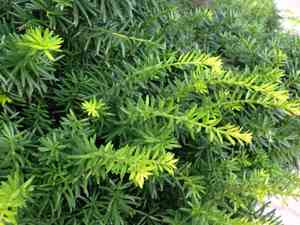
Taxus cuspidata is most effectively multiplied via cuttings and air layering in the spring or summer seasons. This procedure might demand a moderate amount of work, with the emergence of new buds indicating successful propagation. Appropriate moisture levels and warmth will aid the plant's flourishing.
Optimal Period for Japanese Yew Propagation
Propagation Method
Cutting
Propagation Period
Spring,Summer
Tools Required for Japanese Yew Propagation
Sharp Pruning Shears
Indispensable for making clean cuts without harming the parent japanese yew plants or the new cuttings. Sharp shears minimize stress and facilitate healing, particularly vital for japanese yew's woody nature.
Rooting Hormone
Enhances the likelihood of successful root formation. Applied to the cut end of japanese yew, it can stimulate quicker and more dependable root development in the cutting, especially beneficial as japanese yew can be slow to root.
Sterile Potting Mix
Offers a pathogen-free environment essential for the delicate roots of new japanese yew cuttings to develop. A well-draining blend will support roots without holding excess moisture that could lead to rot.
Propagation Tray with Dome
Maintains high humidity, which is advantageous for japanese yew cuttings to prevent drying out before roots can absorb water. The dome acts as a miniature greenhouse, providing ideal conditions.
Heat Mat
Encourages root development by supplying warmth from below, complementing ideal conditions for japanese yew cuttings to root, especially in cooler months when rooting can slow without extra heat.
Sanitizing Agent
Ensures all tools and surfaces in contact with japanese yew cuttings are free of disease-causing agents. Using a sanitizing agent helps prevent illness, which is crucial for propagation success.
Post-Propagation Care for Japanese Yew
Post-Propagation Care for Japanese Yew
Following propagation, continue to care for japanese yew by providing bright, indirect light and maintaining soil moisture. As japanese yew is suited to cooler climates, protect it from extreme heat. Fertilize with a balanced, slow-release product during its active growth period, and prune to maintain shape and health. Monitor for pests and diseases, treating as needed with appropriate horticultural products.
Common Errors to Avoid When Propagating Japanese Yew
Overwatering cuttings
Moisture is vital for initial rooting of japanese yew cuttings, but excessive watering can cause root rot and fungal growth, leading to poor root development or death of the cuttings.
Ignoring soil composition
Using an unsuitable soil mix for japanese yew can impede root development. A mixture that drains poorly or doesn't retain enough moisture can significantly reduce propagation success.
Planting cuttings too deeply
Inserting japanese yew cuttings too far into the soil can suffocate them, hindering the necessary gas exchange for root formation and growth.
Neglecting hygiene
Not sterilizing tools or containers when handling japanese yew can spread diseases, which can be particularly detrimental to cuttings with their limited resistance.
Using non-viable parts of the plant
Propagating from diseased or weak sections of japanese yew results in poor growth performance and may not yield viable plants at all.
Advice for Propagating Japanese Yew
Use semi-hardwood cuttings
Select healthy, semi-hardwood sections of japanese yew for a higher chance of rooting. These cuttings typically root better and possess a more established stem structure.
Balance moisture levels
Maintain an environment with balanced moisture for japanese yew cuttings to encourage root growth without the risk of rot or fungal issues.
Soil mixture
Create a well-draining propagation medium that retains moisture optimally, which is crucial for the successful rooting of japanese yew.
Proper cutting depth
Insert japanese yew cuttings at the correct depth in the propagation mediumâsufficient to support them but not so deep as to reduce oxygen availability.
Sterilize equipment
Sterilize all tools and pots used for propagating japanese yew to prevent disease spread and ensure the best start for new growth.



