How to Propagate Dandelion?
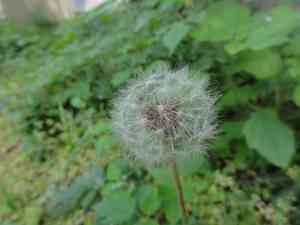
Dandelion, a robust perennial, readily multiplies via seed dispersal. Effective propagation hinges on choosing a growing medium with good drainage and ensuring sufficient exposure to sunlight. Seeds must be sown on the surface, as they need light for germination, and kept continuously damp until sprouting begins. Distributing seeds thinly prevents excessive density and minimizes the necessity of thinning. This practice fosters robust development and safeguards the fragile root systems of nascent plants.
What Is the Best Time To Propagate Dandelion?
Propagation Type
Splitting
Propagation Season
Spring,Autumn
What Tools Are Used in Dandelion Propagation?
Garden Trowel
A robust garden trowel is essential for excavating around the dandelion's root ball, enabling a smooth removal process without harming the root system. The trowel should ideally feature a stainless steel head for durability and a comfortable grip for ease of use during repetitive tasks. This tool aids in precisely and safely separating root clump sections for propagation.
Root Pruning Shears
Root pruning shears are crucial for making clean cuts to dandelion roots during division. These shears should be sharp and rust-resistant. Proper pruning ensures that divided portions have a clean cut, which enhances root recovery and subsequent growth in new plantings.
Watering Can with a Fine Rose
Following division, maintaining adequate moisture levels is vital for dandelion's recovery and establishment. A watering can equipped with a fine rose attachment allows for gentle irrigation that doesn't disturb the newly planted sections. This tool ensures even water distribution, preventing soil erosion around delicate root sections.
Gardening Gloves
High-quality gardening gloves protect hands while handling dandelion, especially when using sharp tools and digging. Gardening gloves made from breathable material enhance comfort and prevent slippage, providing better tool handling during the delicate division process.
Soil Amendment Materials
Organic matter like compost or peat moss is crucial when replanting divided dandelion segments. Soil amendments improve soil structure, boost nutrient availability, and enhance moisture retention, all vital factors for the successful establishment and growth of new plants.
How to Propagate Dandelion?
Propagation Type
Simple
How to Care for Your Newly Propagated Dandelion?
How to Care for Your Newly Propagated Dandelion?
Post-propagation, ensure dandelion receives proper care to flourish. This includes regular watering, particularly during dry spells, to keep the soil consistently moist. Dandelion benefits from occasional application of a balanced, all-purpose fertilizer to support vigorous growth. Monitor for pests and diseases, addressing them promptly to maintain plant health. Mulching can help retain soil moisture and suppress weed growth, benefiting dandelion's growing environment.
Common Mistakes to Avoid When Propagating Dandelion
Overcrowding seeds
Sowing dandelion seeds too densely can impede sufficient airflow and sunlight exposure, leading to weaker plants and increased vulnerability to diseases.
Ignoring seed maturity
Harvesting or utilizing immature dandelion seeds can result in poor germination rates, as undeveloped seeds lack the necessary reserves to support successful sprouting.
Excessive watering
While dandelion seeds require moist conditions to germinate, overwatering can lead to waterlogging, which deprives seeds of essential oxygen and promotes fungal growth.
Tips For Propagating Dandelion
Proper seed harvesting
Gather seeds from dandelion when flower heads transform into fluffy white globes. Dry them in a well-ventilated area before storing or sowing, to ensure the seeds are mature and viable.
Light sowing
Scatter dandelion seeds lightly on the soil surface, as they need light to germinate. Avoid burying seeds deep within the soil, which can hinder their ability to sprout.
Maintain moisture
Keep the soil consistently moist but not waterlogged when germinating dandelion seeds. Use a spray bottle to gently mist the soil, ensuring it remains damp but not excessively wet.



