How to Propagate Common tansy?
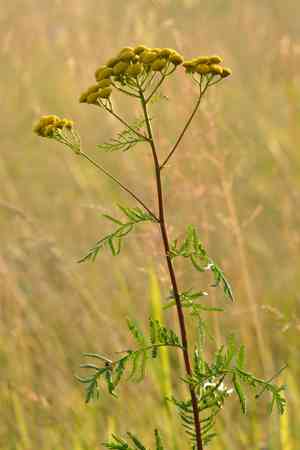
For Tanacetum vulgare, the ideal period for reproduction is Spring, primarily via seeding. Its propagation presents an easy to moderate challenge. Look for successful propagation indicated by fresh shoots or emerging leaves. Maintaining adequate humidity and warmth will enhance the germination success.
When Is the Optimal Time to Propagate Common Tansy?
Propagation Method
Seeding
Propagation Period
Spring
What Equipment Is Used in Common Tansy Propagation?
Seed trays
Seed trays are shallow containers featuring small sections or cells where seeds are planted. These compartments aid in organized growth and simplify the transplanting of common tansy seedlings. The trays help maintain adequate moisture and warmth, which are crucial for common tansy seed germination.
Potting mix
A premium potting mix offers an ideal growing medium that is well-draining and rich in nutrients, perfect for the germination and initial development of common tansy seeds. It ensures young common tansy seedlings receive the necessary support and nourishment for robust root formation.
Misting bottle
A misting bottle is utilized to gently water common tansy seeds without disturbing the soil or causing erosion. The fine mist assists in keeping the soil uniformly moist, a vital element for successful common tansy germination.
Labels and markers
Labels and markers are essential for identifying trays or cells containing common tansy seeds, particularly when propagating multiple plant species simultaneously. Tracking sowing dates and seed types assists in proper care and monitoring of germination progress.
Heat mat
A heat mat provides a consistent heat source, which can be crucial for common tansy seed germination, especially in environments that do not naturally offer the warmth common tansy seeds need for optimal germination and growth.
Grow lights
Grow lights are artificial light sources that can supply the necessary light spectrum for common tansy seedling growth. They are especially beneficial in areas or seasons with insufficient natural light to ensure young common tansy plants develop strong and healthy.
How to Propagate Common Tansy?
Propagation Method
Seeding
Difficulty Level
Easy
How to Care for Your Newly Propagated Common Tansy?
How to Care for Your Newly Propagated Common Tansy?
For ongoing care, maintain consistent soil moisture for common tansy as it establishes. As it matures, common tansy becomes drought-tolerant and requires less frequent watering. Fertilization is typically unnecessary, as common tansy adapts to various soil types and conditions. If plants become too vigorous or spread beyond their intended area, divide them in spring or fall to manage growth. Removing spent flowers can prevent excessive self-seeding, as common tansy can become invasive. Monitor for pests and diseases, though common tansy is generally quite resistant and hardy.
Common Errors to Avoid When Propagating Common Tansy
Overcrowding
Planting common tansy cuttings or seeds too closely can lead to competition for resources and hinder growth. It reduces air circulation, increasing susceptibility to disease.
Overwatering
Common tansy does not need excessive water once established. Overwatering can cause root rot and fungal infections, weakening or killing the plant.
Ignoring soil condition
Common tansy thrives in well-drained soil. Failing to ensure proper drainage can lead to waterlogged conditions detrimental to the plant's root system.
Overlooking pest control
Common tansy, while deterring some pests, can still be affected by others. Neglecting pest management can result in infestations that damage or kill young plants.
Tips For Propagating Common Tansy
Cutting selection
For common tansy, choose healthy, non-flowering stems for cuttings. This ensures the plant's energy is directed towards root generation rather than flower production.
Rooting hormone
Using a rooting hormone can boost the success rate of common tansy cuttings by encouraging root growth and helping prevent disease.
Soil preparation
Prepare a well-draining soil mix for common tansy propagation. Sandy loam or soil amended with perlite or coarse sand helps promote good drainage and root development.
Light exposure
Common tansy cuttings and seedlings require ample light for healthy growth, but direct midday sun can be too intense. Aim for a balance of bright light and some afternoon shade.



