How to Propagate Tamarind?
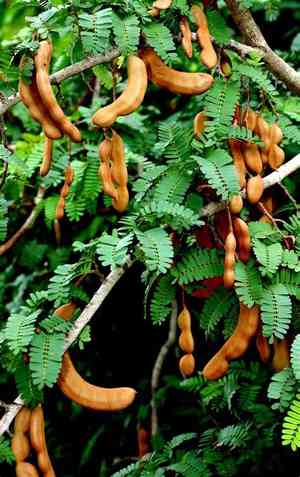
A member of the Fabaceae family, tamarind is extensively reproduced using diverse methods. Grafting stands as one such technique, offering a pragmatic strategy for growers aiming for genetically identical progeny. This process entails joining a bud or shoot from an established tamarind plant onto a suitable rootstock, which subsequently merges and develops as a single unit. Achieving success largely depends on precise alignment of the cuts and firmly securing the graft area to guarantee uninterrupted vascular flow. After establishment, tamarind demands little extra attention beyond routine upkeep.
Optimal Period for Tamarind Propagation
Propagation Method
Grafting
Propagation Period
Spring,Winter
Tools Utilized in Tamarind Propagation
Grafting Knife
A sharp, precise grafting knife is crucial for making clean incisions on the tamarind scion and rootstock. Accurate cuts promote better contact between grafted parts, aiding successful vascular connection vital for graft survival and growth.
Pruning Shears
These are employed to prepare tamarind rootstocks and trim excess material before and after grafting. Clean, precise cuts minimize disease risk and encourage faster healing at the graft site.
Grafting Tape or Parafilm
This material is used to securely wrap and hold the grafted joint of tamarind, maintaining alignment and contact of the graft union. It helps retain moisture and shields the graft site from environmental stress during healing.
Grafting Wax
Applied to seal grafts, grafting wax prevents desiccation and infection at the cut surfaces of tamarind. This ensures a higher survival rate by fostering proper healing and establishment of the grafted joint.
Rooting Hormone (optional for root grafts)
This can be applied to tamarind rootstock cuttings to enhance root development and growth. By stimulating root formation, it increases the likelihood of successful graft take and overall plant health.
Sterilizing Solution
Used for cleaning all grafting tools, a sterilizing solution prevents disease transfer between plants during grafting. Ensuring germ-free tools is critical for tamarind health during and after propagation.
How to Propagate Tamarind?
Propagation Difficulty
Moderately Difficult
Caring for Your Newly Propagated Tamarind
Caring for Your Newly Propagated Tamarind
Following successful tamarind grafting, the new plant should be kept in high humidity and indirect sunlight to minimize water loss and encourage graft union healing. Regularly check for growth signs to ensure scion establishment. Gradually acclimatize the grafted plant to outdoor conditions before garden transplanting. Provide consistent watering, especially during dry periods, and protect from extreme temperatures. Fertilization with a balanced fertilizer can commence once active growth is observed. Pruning should be done carefully to maintain structure and promote a healthy canopy as the plant matures.
Common Errors to Avoid When Propagating Tamarind
Ignoring Seed Quality
Utilizing old or improperly stored tamarind seeds can lead to poor germination rates. Viability diminishes over time, potentially causing failed propagation attempts.
Incorrect Watering
Excessive or insufficient watering during the germination phase can cause tamarind seeds to rot or dry out, hindering successful propagation.
Planting Depth
Planting tamarind seeds too deep or too shallow can impede proper germination. Adequate seed-soil contact is necessary for moisture and nutrient absorption.
Neglecting Pre-treatment
Failing to pre-treat tamarind seeds, such as through scarification or soaking, can result in hard seeds that struggle to germinate.
Overlooking Pest Control
Ignoring potential pest issues during early stages of tamarind propagation can lead to infestations that damage or kill young plants.
Advice for Propagating Tamarind
Seed Quality
Ensure tamarind seeds are fresh and stored under appropriate conditions to maintain their viability.
Watering Techniques
Maintain balanced moisture levels when watering tamarind seeds or young plants; seeds should be kept moist but not waterlogged.
Correct Planting Depth
Sow tamarind seeds at the appropriate depth, typically around 1 to 2 centimeters, to facilitate proper germination.
Pre-treatment
Implement pre-treatment methods, such as soaking tamarind seeds in water for a specific duration or gently scarifying the seed coat to encourage germination.
Pest Management
Monitor for signs of pests and treat promptly with suitable measures to safeguard young tamarind plants during critical propagation stages.



