How to Propagate Malabar plum?
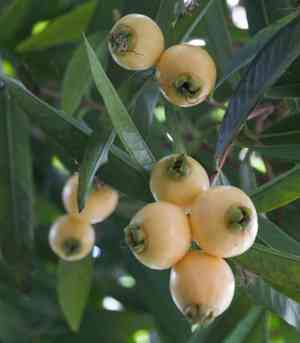
Malabar plum, a tropical evergreen, is primarily propagated via grafting to guarantee the retention of fruit characteristics. For effective growth, grafting necessitates selecting robust scion material from a thriving parent plant and joining it with a suitable rootstock. This method accelerates development compared to plants grown from seeds, enabling cultivators to appreciate malabar plum's abundant leaves and aromatic blossoms more quickly. Post-grafting, diligent aftercare, such as proper irrigation and pest defense, is crucial.
What Is the Best Time To Propagate Malabar Plum?
Propagation Type
Grafting
Propagation Season
Spring,Winter
What Tools Are Used in Malabar Plum Propagation?
Grafting Knife
A sharp, clean grafting knife is crucial for making precise cuts on malabar plum during the grafting process. This specialized knife ensures smooth and clean cuts, reducing the risk of infection and improving the chances of successful grafting. The blade's sharpness helps in making a precise scion or rootstock cut, which is critical for proper alignment and union of the graft.
Grafting Tape
Grafting tape is used to securely wrap and hold together the graft site after the scion has been attached to the rootstock of malabar plum. This specialized tape is vital for maintaining the humidity and temperature around the graft joint, promoting quicker healing and preventing the entry of pathogens. The tape is designed to be stretchy and adherent but biodegradable, eventually decomposing as the graft heals.
Rooting Hormone
Although not mandatory, the use of a rooting hormone can facilitate higher success rates in the grafting of malabar plum. By applying a rooting hormone to the cut ends of the scion or rootstock, it encourages quicker root development and stronger bond formation at the graft site, thus enhancing the overall health and viability of the new plant.
Pruning Shears
Pruning shears are used to prepare the rootstock of malabar plum for grafting. Sharp, clean pruning shears help make a clean cut, which is important for successful grafting. They can also be used to prune any excess growth around the graft site to focus the plant's energy on healing and integrating the grafted parts.
Wound Sealant
Applying wound sealant to the cuts on the scion and rootstock can protect malabar plum from infections and pests during the healing process. This product helps to seal the exposed tissues, reducing moisture loss and providing a barrier against external pathogens, which is crucial in the delicate stages immediately after grafting.
How to Propagate Malabar Plum?
Propagation Type
Moderately Difficult
How to Care for Your Newly Propagated Malabar Plum?
How to Care for Your Newly Propagated Malabar Plum?
Once the graft has successfully taken and the scion starts growing, gradually introduce the malabar plum to more direct sunlight and acclimate it to the outdoor environment. Regularly water the malabar plum, keeping the soil moist but not waterlogged. Fertilize with a balanced fertilizer after the scion has shown significant growth. Monitor for pests and diseases and treat as necessary. Prune the malabar plum to promote a strong structure and desirable form.
Common Mistakes to Avoid When Propagating Malabar Plum
Inadequate cutting size
Using cuttings that are too small or too large may not root well, which can result in failure to propagate malabar plum.
Excessive moisture
Keeping the propagation medium too wet can lead to rot, which is detrimental to the rooting process of malabar plum.
Poor hygiene
Using dirty tools or containers can introduce diseases, impeding the growth of malabar plum.
Wrong medium
Using an inappropriate growing medium can hinder the root development of malabar plum.
Neglecting aftercare
Insufficient care after cuttings have been planted may lead to their deterioration due to environmental stressors.
Tips For Propagating Malabar Plum
Optimal cutting size
Select semi-hardwood cuttings that are 4-6 inches long with several nodes, as these have a higher chance of successful rooting for malabar plum.
Balanced moisture
Maintain a consistently damp, but not waterlogged, propagation medium to foster healthy root growth in malabar plum.
Sanitation
Always use sterilized tools and clean containers to prevent the spread of diseases that can negatively influence the propagation success of malabar plum.
Suitable medium
Propagate malabar plum in a well-draining medium, such as a mix of perlite and peat, to provide an ideal environment for root development.
Aftercare attention
Regularly monitor and provide appropriate water, light, and humidity levels after planting the cuttings to support the establishment and growth of malabar plum.



