How to Propagate Java plum?
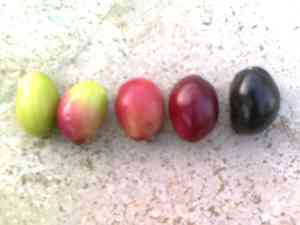
Syzygium cumini, a tropical fruit tree, is frequently grown for its palatable fruit and the shade its leaves provide. The reproduction of Syzygium cumini is primarily accomplished via grafting, a technique well-suited for preserving the genetic integrity of specific varieties. This approach guarantees that advantageous characteristics, like enhanced fruit quality and resilience to diseases, are passed on to subsequent generations of plants. When performing grafting on Syzygium cumini, it is crucial to verify that the scion and rootstock are compatible and correctly positioned, employing precise and sterile cuts to encourage a successful bond and development.
Optimal Period for Java Plum Propagation
Propagation Method
Grafting
Propagation Season
Spring,Winter
Tools Required for Java Plum Propagation
Grafting Knife
A sharp, sanitized grafting knife is crucial for making precise cuts necessary for java plum grafting. Clean and accurate incisions aid in aligning the scion and rootstock effectively, vital for a successful graft union and minimizing plant tissue damage. This precision helps reduce infection risk and promotes quicker healing.
Grafting Tape or Strips
Grafting tape or strips are utilized to firmly secure the scion to the rootstock post-grafting java plum. This ensures the cut areas remain in close contact, essential for proper tissue fusion. These materials are typically flexible and self-adhesive, offering a moisture barrier to prevent desiccation and maintain a stable environment for successful grafting.
Rooting Hormone
Applying a rooting hormone to the scion's cut end before grafting can boost the success rate for java plum. The rooting hormone stimulates tissue growth and aids in faster graft establishment. It encourages a strong bond between the graft and rootstock, increasing the overall propagation success.
Pruning Shears
Sterilized pruning shears are necessary for preparing the rootstock and trimming the scion of java plum for grafting. Clean cuts from sharp shears prevent unnecessary damage and disease entry points. Regular sanitization of shears is vital to prevent disease spread between plants during the grafting process.
Wax or Sealant
After grafting, applying a grafting wax or sealant to the java plum graft site can be beneficial. This application prevents desiccation of the graft junction and protects it from environmental stresses and pathogens until the grafted parts have fully fused and healed. This helps ensure the new plant's viability and robustness during the critical initial weeks.
How to Propagate Java Plum?
Propagation Type
Moderately Difficult
Post-Propagation Care for Java Plum
How to Care for Your Newly Propagated Java Plum?
Once the graft has taken, which may take several weeks, gradually expose the java plum to increased sunlight. Fertilize the plant with a balanced, slow-release fertilizer to encourage healthy development. Monitor for pests and diseases, particularly focusing on common issues like fungal infections. Pruning should be performed to shape the tree and remove any diseased or excessive growth, ensuring the plantâs energy is directed towards healthy branches.
Common Errors to Avoid When Propagating Java Plum
Excessive Moisture
Overwatering or maintaining waterlogged conditions can lead to root rot, which is detrimental to java plum cuttings. High humidity without adequate air circulation creates an environment conducive to fungal diseases.
Cutting Size
Using cuttings that are either too small or too large can decrease the propagation success rate. Inappropriately sized cuttings may lack sufficient energy reserves or surface area for rooting.
Neglecting Sterility
Failing to sterilize cutting tools can introduce pathogens to java plum cuttings, which may impede rooting or lead to infections that compromise the plant's health.
Wrong Medium
Selecting a growing medium that does not provide adequate aeration and drainage can result in poor root development in java plum and may cause cuttings to rot before establishment.
Ignoring Pre-treatment
Skipping pre-treatment of cuttings, such as using rooting hormones, can significantly reduce the chances of successful java plum propagation.
Tips for Propagating Java Plum
Adequate Moisture Control
Ensure java plum cuttings are kept consistently moist but not waterlogged. Implementing a well-draining propagation medium and providing bottom heat can improve root development without excess moisture.
Optimal Cutting Size
Utilize semi-hardwood cuttings that are approximately 4-6 inches in length with several leaf nodes. This size tends to have the best balance of energy reserves and rooting potential for java plum.
Sterilized Tools
Always use clean, sterilized pruning tools when taking cuttings from java plum to prevent disease transmission. Wipe tools with alcohol or a bleach solution between cuts.
Appropriate Medium
Select a propagation medium for java plum that has good drainage, such as a mixture of sand, perlite, and peat. This encourages rooting while maintaining the proper balance of air and moisture.
Rooting Hormone Use
Apply a rooting hormone to the cut ends of java plum cuttings to enhance root initiation. This treatment can significantly increase the likelihood of successful propagation.



