How to Propagate Syngonium wendlandii?
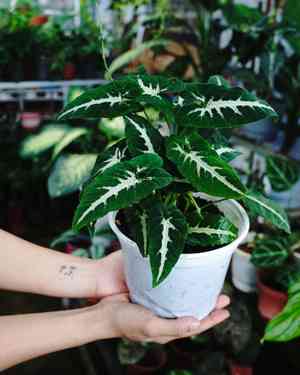
The Silver Goosefoot Plant flourishes when reproduced via stem sections. Choose a robust stem possessing multiple leaf junctions. These sections ought to measure 4-6 inches long and originate from stems not currently blooming, which fosters superior root development. For optimal outcomes, immerse the severed end in rooting compound and embed it in a damp, adequately draining potting substrate. Maintain consistent moisture in the soil and position the cutting in diffused light until roots emerge, usually within a few weeks. Consistent observation and minimal interference will facilitate successful root formation and subsequent development.
What Is the Best Time To Propagate Silver Goosefoot Plant?
Propagation Type
Cutting
Propagation Season
Spring,Summer
What Tools Are Used in Silver Goosefoot Plant Propagation?
Sharp pruning shears
Crucial for obtaining clean cuttings from silver Goosefoot Plant. Sharp blades ensure a precise cut, minimizing harm to the parent plant and enhancing the cut end's capacity to form new roots.
Rooting hormone powder
Promotes root growth in silver Goosefoot Plant cuttings. Applying the hormone to the cut end encourages faster root development, which is vital for the successful establishment of cuttings.
Sterilizing solution (e.g., rubbing alcohol or bleach solution)
Used to disinfect pruning shears and other tools prior to propagation. Prevents the spread of diseases among plants, ensuring the health and viability of silver Goosefoot Plant during and after propagation.
Potting mix
A well-draining, aerated potting mix suitable for silver Goosefoot Plant. Encourages oxygen availability and prevents rot, which is crucial for the newly forming roots of silver Goosefoot Plant.
Small pots or propagation trays
Containers where silver Goosefoot Plant cuttings will be placed until they develop sufficient roots. Ensures that each cutting has adequate space and resources for growth.
Plastic bags or a humidity dome
Creates a moist environment around the silver Goosefoot Plant cuttings. The increased humidity levels help to prevent the cuttings from losing too much moisture during the critical root formation phase.
How to Propagate Silver Goosefoot Plant?
Propagation Type
Moderately Difficult
How to Care for Your Newly Propagated Silver Goosefoot Plant?
How to Care for Your Newly Propagated Silver Goosefoot Plant?
Post-propagation, silver Goosefoot Plant demands consistent attention to flourish. Keep the soil consistently moist but not waterlogged. Position the plant in indirect light, as direct sunlight can scorch its leaves. Regular feeding every 4-6 weeks with a balanced, water-soluble fertilizer during active growth periods will support new development. Monitor for pests like aphids and spider mites and address infestations promptly.
Common Mistakes to Avoid When Propagating Silver Goosefoot Plant
Improper Cutting Technique
Using dull or unclean tools can harm the plant's tissue, making it more vulnerable to disease and impeding successful propagation.
Incorrect Watering
Either excessive or insufficient watering of cuttings can lead to root rot or desiccation, respectively, compromising the health of the new plants.
Inadequate Humidity
Failure to maintain the necessary humidity levels can result in the cuttings drying out before they develop roots, as silver Goosefoot Plant thrives in moist environments.
Poor Soil Choice
Using dense or nutrient-deficient soil can hinder proper root development, as silver Goosefoot Plant requires well-draining and slightly moist soil to propagate effectively.
Lack of Sanitation
Neglecting sanitation by not sterilizing tools and containers can introduce pathogens, leading to infections that can kill the cuttings.
Tips For Propagating Silver Goosefoot Plant
Use Sterile Tools
Ensure pruning shears or scissors used for cuttings are sharp and disinfected to avoid transmitting diseases or damaging plant tissues.
Proper Watering
Maintain slightly moist soil for the cuttings without overwatering, ensuring the medium is not waterlogged to prevent root rot.
Maintain Humidity
Provide a high-humidity environment, possibly by covering the cuttings with a plastic bag or using a humidifier, to facilitate successful root development.
Optimal Soil Mix
Use a light, well-draining soil mix, such as a combination of peat moss and perlite, to support healthy root growth.
Sanitize Equipment
Regularly clean and sterilize all propagation tools and containers to prevent the spread of diseases and infections to the cuttings.



