How to Propagate Arrowhead vine?
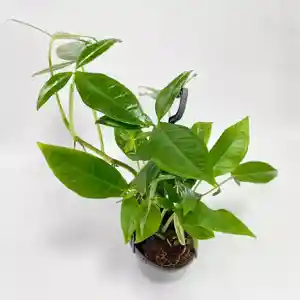
Syngonium podophyllum, a tropical vining plant, is recognized for its unique foliage. Reproduction is typically accomplished via stem sections, making sure each piece includes at least one growth point. To encourage successful rooting, these cuttings can be submerged in water or inserted into damp substrate until roots emerge. Relocating the plantlets requires caution to prevent harm to their fragile root systems. Sustaining elevated humidity and a warm environment will aid in the rooting procedure.
Optimal Time for Arrowhead Vine Propagation
Propagation Type
Cutting
Propagation Season
Spring,Summer
Tools for Arrowhead Vine Propagation
Sharp Pruning Shears
Crucial for making precise cuts on arrowhead vine stems, aiding propagation via cuttings. Sharp shears ensure clean incisions, minimizing harm to the parent plant's tissue, which is vital for new root development in cuttings.
Rooting Hormone
Accelerates root formation in arrowhead vine when propagating from cuttings. Applied to the stem's cut end, it promotes quicker root initiation, boosting the overall success rate of propagation by ensuring strong root growth.
Sterile Potting Mix
Offers a clean, disease-free environment essential for rooting arrowhead vine cuttings. The mix must drain well yet retain enough moisture to support root growth without becoming waterlogged, which could cause rot.
Small Pots or Trays
Used for planting arrowhead vine stem cuttings. These should ideally have good drainage. Pots or trays provide a controlled setting for new cuttings, allowing them to establish roots and grow optimally.
Plastic Covers or Mini Greenhouses
Help maintain high humidity around arrowhead vine cuttings, which is crucial for encouraging root development. These covers also prevent excessive moisture loss from the cutting, thus improving propagation success.
How to Propagate Arrowhead Vine?
Propagation Type
Moderately Difficult
Caring for Your Newly Propagated Arrowhead Vine
Caring for Your Newly Propagated Arrowhead Vine?
Post-propagation, gradually introduce the new arrowhead vine plant to less humid conditions if it was in a covered environment. Continue providing bright, indirect light and maintain consistent soil moisture without overwatering. Ensure adequate pot drainage to prevent root rot. Fertilize with a balanced, diluted solution during the growing season to support healthy growth. Regularly inspect for pests like aphids and mealybugs, and prune as needed to maintain shape and encourage bushiness.
Common Errors to Avoid When Propagating Arrowhead Vine
Overwatering
Excessive watering of arrowhead vine during propagation can lead to root rot, as the cutting's new roots are delicate and susceptible to fungal infections.
Poor Cutting Selection
Choosing mature, woody stems or unhealthy foliage can result in weak root development and reduced chances of successful propagation.
Insufficient Humidity
Lack of humidity can cause arrowhead vine cuttings to dry out, hindering root growth and potentially killing the cutting.
Direct Sunlight
Exposing arrowhead vine cuttings to direct sunlight can cause leaf burn and excessive drying, stressing the plant and impeding root formation.
Ignoring Cleanliness
Not using sterile equipment and clean pots can introduce pathogens, which may harm arrowhead vine cuttings and reduce propagation success.
Tips For Propagating Arrowhead Vine
Water Management
Keep the soil of arrowhead vine cuttings consistently moist but not waterlogged to encourage root growth without increasing the risk of rot.
Healthy Stem Selection
Choose healthy, semi-ripe stems with at least one leaf and a node for cuttings, as these have the best chance of rooting.
Humidity Control
Create a humid micro-climate for arrowhead vine cuttings, such as using a clear plastic bag to cover the pot, which will aid in root development.
Indirect Light
Place arrowhead vine cuttings in a location with bright, indirect light to encourage healthy growth without the risk of sun damage.
Sterilization
Use sterilized equipment when taking cuttings and plant in fresh, clean growing medium to reduce the likelihood of infection.



