How to Propagate Common comfrey?
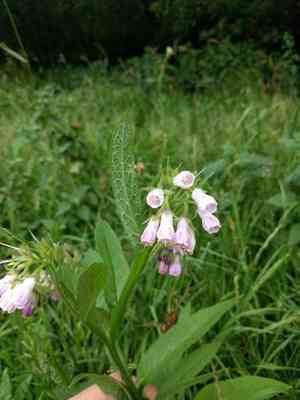
Symphytum officinale readily multiplies via tubers, with springtime being the most suitable period. Insert the tubers into soil that drains effectively and retains ample moisture. The emergence of fresh sprouts and foliage signifies successful propagation. Refrain from overwatering to avert the decay of roots.
Optimal Time for Common Comfrey Propagation
Propagation Method
Utilize The Tubers
Propagation Period
Spring
Tools for Common Comfrey Propagation
Garden Fork
A garden fork is crucial for loosening and aerating the soil around common comfrey. When unearthing common comfrey for tuber division, this tool aids in carefully lifting tubers without causing damage. Its tines are designed to easily penetrate soil, making it ideal for digging around established common comfrey clumps to access the tubers.
Sharp Knife or Secateurs
A sharp knife or secateurs are essential for cleanly dividing tubers into sections for propagation. Minimizing damage and creating clean cuts is important to reduce infection risk and promote faster healing. Each section must have at least one eye or bud to grow into a new common comfrey plant.
Rooting Hormone Powder
Rooting hormone powder can accelerate root development when propagating common comfrey. Applying rooting hormone to the cut ends of tubers can stimulate stronger root growth, which is vital for the health and viability of new common comfrey plants.
Potting Mix
A well-draining potting mix suitable for root development is crucial when planting divided tubers. This medium supplies necessary nutrients and retains moisture while allowing excess water to drain, preventing root rot.
Plant Pots or Trays
Plant pots or trays are needed to hold the tuber sections after cutting. These containers should have adequate drainage holes and be appropriately sized to support the growth of new common comfrey plants, ensuring their health during the propagation process.
How to Propagate Common Comfrey?
Propagation Method
Utilize The Tubers
Difficulty Level
Easy
Caring for Newly Propagated Common Comfrey
Caring for Newly Propagated Common Comfrey
After propagation, ensure common comfrey receives consistent moisture, especially during its initial growing season. Avoid overwatering to prevent root rot. Lightly fertilize common comfrey in spring with a balanced fertilizer, and trim back dead leaves to encourage neat growth. As common comfrey is robust, minimal care is needed once established.
Common Mistakes to Avoid When Propagating Common Comfrey
Ignoring root cutting size
Using common comfrey root cuttings that are too small or too large can hinder establishment. Small cuttings may lack resources to thrive, while oversized ones might rot.
Neglecting soil preparation
Inadequate soil preparation impedes common comfrey's root development. Without proper soil, cuttings may not receive sufficient water or nutrients, leading to weak growth or propagation failure.
Overwatering
Excessive watering can lead to root rot in common comfrey. Roots require air as well as moisture, and consistently waterlogged soil deprives the root system of essential oxygen.
Planting at incorrect depth
Burying common comfrey root cuttings too deeply or not deeply enough can be harmful. Incorrect depth may expose the plant to harsh conditions or prevent it from forming a strong root system.
Tips For Propagating Common Comfrey
Use healthy donor plants
Select vigorous and disease-free common comfrey donor plants for propagation to give cuttings the best chance of survival and growth.
Prepare loamy soil
Providing well-draining, loamy soil enriched with organic matter will create an ideal environment for common comfrey's root cuttings to establish and flourish.
Moderate watering
Maintain moist but not waterlogged conditions for common comfrey's cuttings to encourage root development without risking rot. Allow the soil surface to dry slightly between waterings.
Plant root cuttings correctly
Plant common comfrey root cuttings horizontally, 2-3 inches deep, to provide sufficient anchorage and access to nutrients without the danger of rot or desiccation.



