How to Propagate White heath aster?
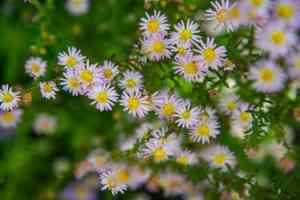
White heath aster is most effectively propagated by planting seeds in the springtime. This method of reproduction is quite straightforward, usually yielding positive indicators such as sprouting or fresh development. Ensure sufficient hydration and a soil medium that drains properly for the best outcomes.
Optimal Period for White Heath Aster Propagation
Propagation Method
Seeding
Propagation Season
Spring
Tools Required for White Heath Aster Propagation
Seed trays or flats
These shallow containers offer an ideal setting for planting white heath aster seeds. They ensure uniform seed distribution and adequate light and air circulation, vital for germination. Seed trays also simplify managing soil moisture and temperature, both critical for successful white heath aster seed germination.
Sterilized potting mix
A clean soil medium prevents illness and supports robust root growth during the germination and initial development phases of white heath aster. It should drain well yet retain enough moisture to foster seedling growth.
Misting bottle or spray system
Gentle watering is essential for white heath aster seeds. Excessive watering can dislodge seeds or cause damping-off, a fungal disease. A misting bottle or fine spray system allows for controlled, even water distribution, maintaining optimal moisture without causing soil erosion or disturbing the seeds.
Dibber or small seeder
A dibber or precise seeder aids in placing the tiny white heath aster seeds at the correct depth in the soil. This maximizes their germination potential by ensuring they are neither too shallow nor too deep, which can impact germination rates.
Plastic dome or clear cover
Placing a transparent cover over the seed tray creates a miniature greenhouse effect, maintaining high humidity and stable temperatures, thereby boosting white heath aster germination rates. This tool also shields seeds from pests and strong air currents.
Grow lights (optional)
If natural light is insufficient, especially in early spring or regions with limited daylight, grow lights provide the necessary light spectrum to support the growth and development of white heath aster seedlings until they are ready for outdoor transplanting.
How to Propagate White Heath Aster
Propagation Method
Seeding
Difficulty Level
Easy
Caring for Your Newly Propagated White Heath Aster
Caring for Your Newly Propagated White Heath Aster
White heath aster is a perennial that typically tolerates drought once established. After transplanting, water the plants regularly until they are rooted. Apply a layer of mulch to retain soil moisture and suppress weeds. Fertilization is usually not needed, but a balanced, slow-release fertilizer can be applied in spring if growth appears slow or foliage is pale. Remove spent flowers to encourage more blooms and prevent excessive self-seeding. Divide plants every 3-4 years to maintain vigor.
Common Errors to Avoid When Propagating White Heath Aster
Poor soil drainage
Using dense or clay-rich soils can lead to waterlogging, potentially causing root rot for white heath aster. Well-draining soil is vital to prevent the plant's roots from sitting in water, which could impede growth or kill the plant.
Incorrect cutting selection
Choosing weak or diseased stems for cuttings can jeopardize propagation success. Healthy, robust cuttings are crucial for white heath aster to root effectively and grow strong.
Overcrowding
Planting white heath aster cuttings or seedlings too close together can result in competition for nutrients, light, and air circulation, which may slow growth and encourage disease. Proper spacing is key for vigorous growth.
Tips for Propagating White Heath Aster
Soil preparation
Use a light, airy potting mix with good drainage for white heath aster propagation. Incorporating perlite or sand can improve drainage and air flow to the roots, promoting healthier growth.
Rooting hormone application
Applying a rooting hormone to white heath aster cuttings can stimulate root development. This enhances the likelihood of successful propagation by encouraging root growth at the cut site.
Moisture management
While white heath aster cuttings need moisture to root, excessively wet conditions can lead to fungal problems. Use a spray bottle to mist cuttings and maintain humidity without overwatering, keeping the soil consistently moist but not saturated.



