How to Propagate Common blue wood-aster?
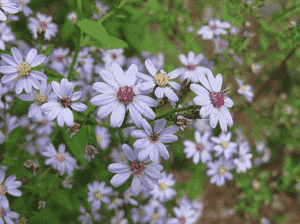
The preferred method for propagating common blue wood-aster involves planting seeds in the Spring. This propagation process is relatively straightforward, with new shoots signaling successful establishment. To achieve the best outcomes, ensure adequate hydration and a growing medium that drains effectively.
Optimal Time for Propagating Common Blue Wood-aster?
Propagation Method
Seeding
Propagation Period
Spring
Essential Tools for Common Blue Wood-aster Propagation?
Seed trays or flats
These shallow containers offer a compact and efficient area for sowing common blue wood-aster seeds. They enable precise control over growing conditions, such as moisture and temperature, vital for successful germination.
Sterile potting mix
A sterile potting mix, free from pathogens and weed seeds, is critical for common blue wood-aster germination. It promotes robust root development and minimizes the risk of diseases that can harm young seedlings.
Fine mist spray bottle
Common blue wood-aster seedlings require consistent moisture without becoming waterlogged. A fine mist spray bottle allows for gentle watering that doesn't disturb the soil or delicate seeds, ensuring optimal germination conditions.
Transparent dome or plastic wrap
Creating a mini-greenhouse effect over the seed tray maintains high humidity and stable temperatures, which are beneficial for common blue wood-aster seed germination. It also helps prevent the soil from drying out too quickly.
Heat mat
When propagating in cooler climates, a heat mat might be necessary to provide a consistent, warm environment for common blue wood-aster. This encourages faster germination by maintaining an ideal soil temperature.
Grow lights
After germination, young common blue wood-aster seedlings will need ample light for healthy growth. Grow lights ensure seedlings receive sufficient illumination, especially when natural light is inadequate, thus preventing etiolation.
Dibber or small stick
A dibber or small stick is used to create precise holes in the potting mix for seed sowing. It aids in planting common blue wood-aster seeds at the recommended depth for optimal germination rates.
Labels and markers
Tracking sown seeds is important, particularly when managing multiple species. Labels and markers allow for easy identification of common blue wood-aster throughout germination and early growth stages.
How to Propagate Common Blue Wood-aster?
Propagation Method
Seeding
Difficulty Level
Easy
Post-Propagation Care for Common Blue Wood-aster?
Post-Propagation Care for Common Blue Wood-aster?
Common blue wood-aster are relatively low-maintenance once established. They require regular watering, especially during dry periods, and benefit from mulching to retain soil moisture and suppress weeds. Removing spent flowers encourages continuous blooming and prevents unwanted self-seeding. In late autumn, cut back stems to ground level after foliage has died. Every 2 to 3 years, divide the clumps in early spring to maintain vigor and produce new plants.
Common Errors to Avoid When Propagating Common Blue Wood-aster
Excessive watering of cuttings
Overwatering cuttings can lead to root rot or fungal infections, which may hinder or completely prevent rooting. Saturated soil lacks sufficient air pockets, reducing oxygen availability crucial for root development.
Planting too deep
Planting cuttings or seeds too deeply can cause common blue wood-aster to expend all its energy trying to reach the surface, potentially resulting in weak growth or failure to emerge.
Ignoring humidity
Neglecting the importance of humidity when propagating common blue wood-aster from cuttings can cause them to dry out quickly before they have a chance to root.
Disregarding soil composition
Using a poor soil mix that doesn't drain well can lead to water retention and root rot, which is detrimental to common blue wood-aster's root development during propagation.
Tips for Propagating Common Blue Wood-aster
Correct cutting selection
Choose healthy, non-flowering stems for cuttings as they are more likely to root successfully and focus energy on establishing roots rather than blooming.
Application of rooting hormone
Applying a rooting hormone to the cut end of cuttings can stimulate root growth and enhance the overall success rate of propagation for common blue wood-aster.
Sufficient light exposure
Provide bright, indirect light for common blue wood-aster cuttings to encourage growth without the risk of scorching them, as they are sensitive during the rooting phase.
Optimal soil medium
Use a well-draining, nutrient-rich soil mix when planting seeds or cuttings to support healthy root development and minimize the risk of diseases.



