How to Propagate Coralberry?
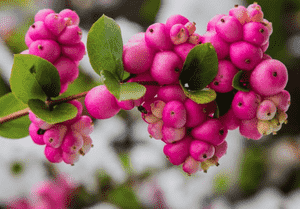
Coralberry can be effectively multiplied via cuttings and layering during the colder periods, specifically fall and winter. A medium level of challenge might be experienced, with indicators of success being the emergence of fresh foliage. Appropriate hydration control is crucial.
Optimal Period for Coralberry Propagation
Propagation Method
Cutting
Propagation Period
Autumn,Winter
Tools Required for Coralberry Propagation
Pruning shears
Sharp, clean cuts are essential for taking coralberry cuttings. These instruments should be keen and designed to prevent disease spread. Quality shears will minimize harm to the parent plant and ensure a viable cutting for rooting.
Rooting hormone powder
To enhance the likelihood of successful root formation, a rooting hormone can be applied to the cut end of coralberry cuttings. It stimulates root initiation, leading to a more robust and stable propagated plant.
Potting mix
A well-draining, sterile potting medium offers the perfect environment for coralberry cutting root development. It should allow for adequate moisture retention without becoming saturated, fostering healthy root growth.
Propagation tray
A flat, shallow container is utilized to hold coralberry cuttings in an orderly and stable manner. Trays should permit proper spacing and provide the cuttings with ample room to grow.
Humidity dome
Maintaining high humidity around coralberry cuttings is crucial for preventing dehydration. A humidity dome placed over the propagation tray helps create a microclimate that supports the cuttings' water needs until they establish roots.
Heating mat
Coralberry may benefit from a bottom heat source to encourage root growth, especially in cooler settings. A heating mat beneath the propagation tray ensures consistent warmth, which can boost rooting success.
Misting bottle
Providing coralberry cuttings with a fine spray of water helps maintain humidity and prevents the delicate tissue from drying out. Misting should be done carefully to avoid overwatering.
Post-Propagation Care for Your Coralberry
Post-Propagation Care for Your Coralberry
After propagation, position the pot with coralberry in a spot that receives indirect light but is shielded from direct sun. Gradually acclimate the new coralberry to less humid conditions by opening the plastic cover or propagator. Once rooted (which may take several weeks), transplant the coralberry into a larger container or into the garden. Water consistently to keep the soil moist without overwatering, and apply a balanced, slow-release fertilizer according to product instructions to support healthy growth. Coralberry is adaptable and can endure various conditions but thrives in partly shaded areas with well-draining soil.
Common Errors to Avoid When Propagating Coralberry
Insufficient stem cutting preparation
Not choosing healthy, non-flowering stems or failing to make a clean cut can result in poor rooting and weak growth in coralberry.
Overwatering cuttings
Excessive moisture around coralberry cuttings can lead to rot and fungal issues, impeding successful root development.
Neglecting humidity control
Without maintaining a humid environment, coralberry cuttings may dry out, which can hinder rooting and overall propagation success.
Planting cuttings too deep
Burying coralberry cuttings too deeply can reduce oxygen availability to the developing roots and stem, potentially leading to poor growth or stem rot.
Ignoring soil quality
Using poorly draining or nutrient-deficient soil for coralberry cuttings can negatively impact root development and the plant's overall vigor.
Skimping on aftercare
Failing to gradually acclimate rooted coralberry cuttings to less humid, outdoor conditions can cause shock or slow growth when transplanted.
Advice for Propagating Coralberry
Healthy stem selection
Choose firm, healthy coralberry stems for cuttings to increase the chances of successful rooting and robust plant development.
Moisture balance
Ensure the soil is consistently moist but not waterlogged to promote healthy root growth without causing rot in coralberry cuttings.
Humidity maintenance
Create a humid environment for coralberry cuttings using a plastic cover or propagation chamber to prevent desiccation.
Proper planting depth
Insert coralberry cuttings to an appropriate depth, ensuring that the bottom nodes are covered while the majority of the stem remains above the soil.
Soil composition
Use a well-draining, fertile soil mix to provide the ideal conditions for root growth and nutrient uptake for coralberry.
Gradual acclimatization
Once rooted, slowly adapt coralberry cuttings to the outdoor environment by incrementally increasing exposure to outside conditions before transplanting.



