How to Propagate Japanese Snowbell?
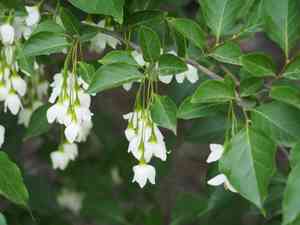
Originating from Japan and Korea, japanese Snowbell enhances garden aesthetics with its campanulate blossoms and delicate leaves. Reproduction is best achieved through cuttings, guaranteeing genetic resemblance to the source plant. To foster successful root growth, utilize softwood cuttings gathered in early summer, possessing two to three nodes. Submerge the severed tip in rooting compound and embed in a porous soil blend. Sustain uniform dampness and offer a supportive setting with ample, diffused illumination until roots are firmly established. Perseverance is crucial, as japanese Snowbell may require multiple weeks to develop roots.
Optimal Time for Japanese Snowbell Propagation
Propagation Method
Cutting
Propagation Period
Autumn,Winter
Tools Required for Japanese Snowbell Propagation
Sharp Pruning Shears
Crucial for obtaining clean and precise cuts from japanese Snowbell, sharp pruning shears help minimize harm to both the parent plant and the cutting. A clean cut enhances the likelihood of successful rooting by lowering infection risk and providing a larger area for root growth.
Rooting Hormone
This product stimulates root development in japanese Snowbell cuttings. Applying a small quantity to the freshly cut stem base significantly boosts the probability of rooting, which is vital for new plant establishment.
Sterile Potting Mix
Employing a sterile potting mix aids in preventing disease and fungal attacks during the rooting phase of japanese Snowbell. This medium offers a nourishing, pathogen-free environment that promotes healthy root formation.
Humidity Dome or Plastic Wrap
Maintaining high humidity around japanese Snowbell cuttings is essential during the initial rooting stage. A humidity dome or loosely placed plastic wrap over the container traps moisture, creating an ideal microclimate for rooting.
Heat Mat
Japanese Snowbell benefits from warmth from below to encourage quicker and more uniform root growth. A heat mat set to a moderate temperature can significantly improve rooting success by maintaining an optimal soil temperature.
How to Propagate Japanese Snowbell?
Propagation Difficulty
Moderately Difficult
Caring for Your Newly Propagated Japanese Snowbell
Caring for Your Newly Propagated Japanese Snowbell?
Once the japanese Snowbell cutting has rooted and new growth is apparent, gradually acclimatize it to less humid conditions over a week before moving it to a larger pot with standard potting soil. Water the new plant thoroughly and allow the topsoil to dry slightly between waterings. Position the pot in an area with partial shade to full sun, and shield it from strong winds. Continue to check for pests and diseases, and provide a balanced fertilizer during the growing season to support robust growth.
Common Errors to Avoid When Propagating Japanese Snowbell
Insufficient moisture levels
Improper moisture levels can cause cuttings to rot or dry out. Excessive moisture encourages fungal diseases, while too little can dehydrate japanese Snowbell cuttings, hindering root development.
Poor cutting selection
Using weak, diseased, or non-viable cuttings from the japanese Snowbell negatively impacts the success rate. Healthy cuttings are crucial for strong root growth.
Neglecting to use rooting hormone
Skipping the application of rooting hormone to japanese Snowbell cuttings can significantly reduce the chances of root initiation, leading to poor propagation outcomes.
Incorrect soil medium
Using a soil mix that lacks adequate drainage and aeration can suffocate japanese Snowbell cuttings' developing roots, impeding growth.
Overlooking sterility
Failing to sterilize equipment or using contaminated pots can introduce pathogens to japanese Snowbell cuttings, affecting their health and propagation success.
Tips For Propagating Japanese Snowbell
Proper moisture management
Ensure japanese Snowbell cuttings are kept consistently moist but not waterlogged. Using a humidity dome or misting can help maintain optimal humidity levels.
Select healthy cuttings
Always choose disease-free, vigorous cuttings from japanese Snowbell with at least two nodes. A strong cutting increases the chances for successful propagation.
Use rooting hormone
Dip the cut end of japanese Snowbell cuttings in rooting hormone to encourage faster and more reliable root development.
Suitable soil mix
Propagate japanese Snowbell cuttings in a well-draining, sterile growing medium that allows for oxygen flow to the roots.
Sterilize equipment
Clean and sterilize all tools and containers before use to prevent the transmission of diseases to japanese Snowbell cuttings.



