How to Propagate Japanese pagoda tree?
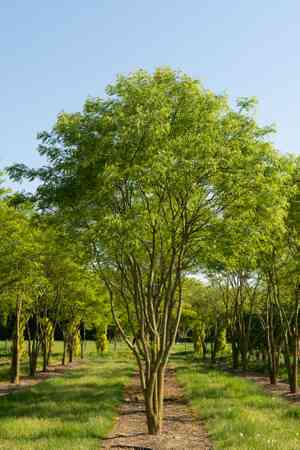
The Japanese pagoda tree can be reproduced via dormant wood cuttings, air layering, and seed planting, with the most favorable period being fall and winter. The level of difficulty for propagation is average, yet indicators of successful reproduction encompass fresh shoots and robust root formation. Ensure the growing medium remains damp and offers adequate drainage for effective propagation.
Optimal Time for Japanese Pagoda Tree Propagation
Propagation Method
Cutting
Propagation Period
Autumn,Winter
Tools for Japanese Pagoda Tree Propagation
Sharp pruning shears
These are used to obtain cuttings from japanese pagoda tree. The blades must be keen to ensure a clean incision that will heal quickly and minimize disease risk. Sharp pruning shears also help prevent harm to the parent plant, vital for its ongoing health and development.
Rooting hormone powder
This aids the rooting process for japanese pagoda tree cuttings. It contains synthetic auxins that mimic natural plant hormones, stimulating root growth at the cut site. Applying this to the stem's cut end enhances the likelihood of successful rooting.
Sterile potting mix
Employing a sterile potting mix for cultivating japanese pagoda tree cuttings helps prevent the introduction of pathogens that could impede the propagation process. It offers a clean and regulated environment for the cuttings to establish roots.
Propagation trays with domes
These implements maintain the necessary moisture and warmth to encourage rooting of japanese pagoda tree cuttings. The dome assists in preserving a microclimate conducive to growth, while the tray allows for simultaneous propagation of multiple cuttings.
Heat mats
They supply warmth from below, which benefits japanese pagoda tree cuttings, fostering root establishment and development. Consistent and gentle heat can significantly improve the success rate in rooting cuttings.
Misting system or spray bottle
A misting system or a simple spray bottle can be utilized to keep humidity levels elevated around japanese pagoda tree cuttings. This mimics the moisture-rich conditions that assist in new root development while reducing water stress in the foliage.
Caring for Your Newly Propagated Japanese Pagoda Tree
Caring for Your Newly Propagated Japanese Pagoda Tree
Following successful propagation, gradually introduce the new japanese pagoda tree to less humid conditions over several days. Afterward, provide it with full sun to partial shade and water when the top inch of soil dries. Ensure proper drainage to prevent root rot, and apply a balanced, slow-release fertilizer during the growing season for optimal health and growth.
Common Errors to Avoid When Propagating Japanese Pagoda Tree
Overwatering
Excessive watering of japanese pagoda tree's cuttings or seedlings can lead to root rot and fungal diseases, significantly decreasing propagation success.
Deep planting
Planting japanese pagoda tree's seeds too deeply can impede their germination, as they may be unable to break through the soil surface.
Neglecting humidity
Ignoring the requirement for a humid environment when propagating japanese pagoda tree from cuttings can cause them to dry out before they have a chance to root.
Using old seeds
Attempting to germinate old or improperly stored japanese pagoda tree seeds may result in low germination rates, as seed viability diminishes over time.
Ignoring pre-treatment
Skipping the recommended pre-treatment for japanese pagoda tree's seeds, which typically involves scarification or stratification, can prevent successful germination.
Tips For Propagating Japanese Pagoda Tree
Fresh seeds
Use fresh seeds for japanese pagoda tree, as they possess higher germination rates, ensuring a better chance of propagation success.
Appropriate depth
Plant japanese pagoda tree's seeds at the suggested shallow depth to facilitate proper germination and access to light.
Moderate watering
Providing a balanced watering for japanese pagoda tree's cuttings or seedlings to maintain moist but not waterlogged soil, promoting healthy root development.
Humidity control
Maintaining high humidity around japanese pagoda tree's cuttings by using a humidity dome or misting regularly to prevent desiccation before rooting occurs.
Seed pre-treatment
Performing the necessary pre-treatment on japanese pagoda tree's seeds, such as scarification or stratification, to break dormancy and encourage germination.



