How to Propagate Caribbean stylo?
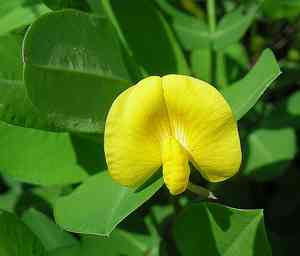
Caribbean stylo is a resilient leguminous flora frequently multiplied via direct seeding. To achieve effective sprouting, immerse seeds in warm water before cultivation. This variety flourishes in permeable ground with ample sunlight. Confirm that seeds are uniformly spread and thinly veiled with earth. Consistent irrigation is vital during the initial growth period. Ideal for enriching soil productivity, caribbean stylo not only offers fodder but also boosts the nitrogen levels within the soil.
Optimal Period for Propagating Caribbean Stylo
Propagation Type
Sowing
Propagation Season
Spring
Tools Utilized in Caribbean Stylo Propagation
Seed Trays
Seed trays are vital for sowing caribbean stylo, offering a controlled setting for germination. Their compartments facilitate proper spacing and root development.
Seed Compost
Seed compost is essential for supplying the required nutrients and a suitable growth medium for caribbean stylo seeds. This specialized compost ensures good drainage and aeration, aiding effective seed germination.
Watering Can with Fine Rose
A watering can with a fine rose is crucial for gently irrigating delicate caribbean stylo seeds without dislodging them. Consistent moisture levels are key for successful germination.
Heating Mat
A heating mat helps maintain a steady temperature favorable for caribbean stylo seed germination. It ensures the soil temperature stays warm enough, especially in cooler climates or seasons.
Transparent Covers/Propagation Domes
Transparent covers or propagation domes maintain humidity and warmth, creating a mini-greenhouse effect beneficial for caribbean stylo seed germination. They also shield seeds from pests and sudden environmental shifts.
Labeling Tags
Labeling tags are important for tracking caribbean stylo seeds, particularly when cultivating multiple species or varieties. Proper labeling assists in monitoring and managing the growth process effectively.
Mist Sprayer
A mist sprayer is useful for providing a gentle mist to keep the soil surface moist without overwatering, which is critical for young caribbean stylo seedlings. This helps maintain optimal moisture levels for growth.
How to Propagate Caribbean Stylo?
Propagation Type
Easy
Caring for Your Newly Propagated Caribbean Stylo
Caring for Your Newly Propagated Caribbean Stylo?
Once caribbean stylo seedlings have developed a few true leaves, begin transplanting them to their final garden location or larger pots. Ensure they receive full sunlight and water them moderately to keep the soil moist but well-drained. Regularly check for pests and diseases, and provide a balanced fertilizer every few weeks to encourage healthy growth.
Common Errors to Avoid When Propagating Caribbean Stylo
Overwatering
Excessive water can lead to root rot and fungal diseases, hindering the growth and establishment of caribbean stylo.
Poor Soil Drainage
Using soil with inadequate drainage can cause waterlogging, creating an environment detrimental to root health.
Incorrect Soil pH
Failing to check and adjust soil pH can impact nutrient availability and impede the plant's growth.
Insufficient Light
Not providing enough light will result in weak and leggy growth, as caribbean stylo thrives in full sun conditions.
Planting Too Deep
Planting seeds or cuttings too deep can restrict their access to necessary light, slowing down or preventing germination.
Tips For Propagating Caribbean Stylo
Use Well-Draining Soil
Ensure the use of a sandy or loamy soil mix that provides excellent drainage to prevent root rot.
Check Soil pH
Maintain a neutral to slightly acidic soil pH (around 6.0-7.0) to ensure optimal nutrient availability.
Provide Full Sun
Place caribbean stylo in a location where it receives ample sunlight to promote strong, healthy growth.
Surface Sowing
When sowing seeds, keep them near the soil surface to ensure they receive adequate light for germination.
Water Sparingly
Water moderately, allowing the soil to dry slightly between waterings to avoid overwatering and root diseases.



