How to Propagate Hairy feathergrass?
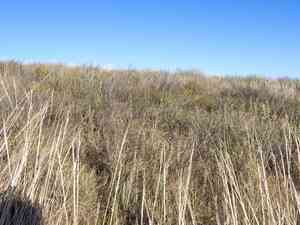
A member of the Poaceae family, hairy feathergrass is valued for its decorative qualities, hardiness, and graceful, plume-like flower clusters. This enduring grass flourishes when propagated through separation, a method well-suited to its clustered growth pattern. Separation ought to be performed during the plant's vigorous growth period, making certain each segment possesses an adequate root structure for successful re-establishment. Gently divide the groupings and promptly replant, preserving soil dampness to foster root formation. Optimal propagation will lead to hairy feathergrass prospering in diverse garden environments, enhancing its elegant texture.
Optimal Period for Hairy Feathergrass Propagation
Propagation Method
Separation
Propagation Period
Spring,Autumn
Essential Tools for Hairy Feathergrass Propagation
Garden Fork
A garden fork is crucial for carefully lifting and dividing the root mass of hairy feathergrass. This instrument aids in gently separating the root system with minimal harm, preserving the plant's vitality.
Pruning Shears
Sharp pruning shears are utilized to trim any damaged roots or excess foliage from hairy feathergrass during the division process. Precise cuts help prevent disease and stress, facilitating the plant's quicker recovery.
Watering Can with a Fine Rose
Following division and replanting, a watering can equipped with a fine rose attachment delivers gentle and uniform water distribution, vital for the initial hydration of hairy feathergrass without disturbing the soil or new plant arrangement.
Gardening Gloves
Protective gardening gloves are advised for safely handling hairy feathergrass, preventing skin irritation from direct contact and also ensuring careful manipulation of the plant's delicate structures during propagation.
Label and Marker
Employing labels and a waterproof marker to identify divided plants ensures accurate tracking and identification of hairy feathergrass's growth stages post-propagation, which is critical for ongoing care and assessing propagation success.
Propagating Hairy Feathergrass: A Guide
Propagation Type
Simple
Post-Propagation Care for Hairy Feathergrass
Post-Propagation Care for Hairy Feathergrass
Once divisions are replanted, ensure hairy feathergrass receives sufficient water, especially during the initial weeks to encourage root development. Maintain a consistent watering schedule, allowing the soil to dry slightly between waterings. Hairy feathergrass is adapted to tolerate drought, but initial establishment with adequate hydration is crucial. Avoid overly rich or fertilized soils to mimic hairy feathergrass's natural growing conditions. Annually, cut back old foliage in late winter to early spring to promote vigorous new growth and maintain a neat appearance.
Common Errors to Avoid When Propagating Hairy Feathergrass
Overwatering
Excessive watering is a mistake as hairy feathergrass prefers drier conditions. Too much moisture can lead to root rot and hinder the growth of new plants from seeds.
Insufficient Sunlight
Not providing enough sunlight can result in leggy growth and poor seed development since hairy feathergrass is a plant that thrives in full sun exposure.
Planting Depth
Sowing seeds too deeply can impede germination due to inadequate light and air. Hairy feathergrass's seeds need to be near the surface for proper growth.
Ignoring Soil Conditions
Using soil that drains poorly or is too rich can be problematic; hairy feathergrass is adapted to well-draining, less fertile soils, and may struggle otherwise.
Overcrowding
Planting seeds too densely can lead to insufficient resources for each seedling, resulting in weaker plants more susceptible to disease.
Advice for Propagating Hairy Feathergrass
Moderate Watering
Water hairy feathergrass sparingly and ensure proper drainage. This species is drought-tolerant, and excessive water can be detrimental.
Full Sun Exposure
Place hairy feathergrass in an area that receives ample sunlight to encourage robust growth and abundant seed production.
Surface Sowing
Sow the seeds of hairy feathergrass on the soil surface or cover them lightly with soil, as they require light for effective germination.
Soil Preparation
Prepare a well-draining, low-fertility soil for hairy feathergrass to replicate its natural growing conditions for better establishment and growth.
Thinning Seedlings
Thin out hairy feathergrass's seedlings early to prevent overcrowding and ensure each plant has adequate space and resources to develop.



