How to Propagate Buffalo grass?
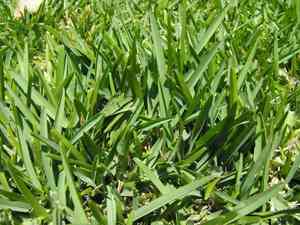
Buffalo grass is most effectively multiplied by dividing its clumps in the prime periods of spring and fall. This procedure is typically straightforward, and the emergence of new shoots signifies successful propagation. Ensuring the rootball is correctly separated is vital for robust propagation.
Optimal Period for Buffalo Grass Propagation
Propagation Method
Division
Propagation Period
Spring, Autumn
Tools for Buffalo Grass Propagation
Garden Spade
A garden spade is crucial for separating buffalo grass at the root level. Its sharp edge allows for precise cuts through soil and roots, minimizing harm and ensuring clean separation. The ergonomic handle offers leverage for lifting grass clumps, vital for preserving root integrity.
Rooting Hormone
Rooting hormone can be applied to stimulate root development on newly divided buffalo grass sections. Dipping the cut ends of the roots into the hormone promotes faster root growth, leading to quicker establishment and a higher propagation success rate.
Watering Can with a Fine Rose
A watering can with a fine rose attachment is recommended for gently irrigating buffalo grass divisions. It distributes water evenly without disturbing the soil or new plantings, ensuring divisions maintain soil contact for better root establishment.
Hand Trowel
The hand trowel is used for digging small holes to plant buffalo grass divisions. Its compact blade is perfect for creating appropriately sized planting spots without disturbing the surrounding area, making it easier to space divisions correctly for even growth.
Gardening Gloves
Gardening gloves protect hands during buffalo grass division and planting. They prevent blisters and cuts from handling the plant's tough rhizomes and tools. Gloves also provide a better grip, useful when separating dense root clumps.
Soil Amendment
Soil amendments, such as compost or peat, may be needed to create optimal growing conditions for buffalo grass divisions. This ensures the soil has the necessary nutrients and structure to support new plant health and growth, especially if native soil lacks fertility or proper drainage.
How to Propagate Buffalo Grass?
Propagation Method
Division
Difficulty Level
Easy
Caring for Newly Propagated Buffalo Grass
Caring for Newly Propagated Buffalo Grass
Ensure buffalo grass receives sufficient water, especially in the initial weeks post-propagation, to establish roots. Maintain moderate soil moisture without over-watering to prevent root rot. Regularly check for and remove weeds. Lightly fertilize during the growing season for lush growth, and mow routinely to maintain desired height and promote dense turf. It tolerates various conditions but thrives with consistent care.
Common Errors to Avoid When Propagating Buffalo Grass
Overwatering
When propagating buffalo grass, excessive moisture can lead to root rot and fungal diseases, weakening or even killing new plants.
Poor soil preparation
Failing to prepare a well-draining and fertile soil mix can hinder root development in buffalo grass cuttings and impede their establishment.
Using non-viable cuttings
Selecting old or diseased cuttings for propagation reduces success rates as they may not root effectively or could introduce pests and diseases to new propagation media.
Overcrowding
Planting buffalo grass cuttings or runners too closely can restrict airflow and promote the spread of pests and diseases due to limited space and resources.
Tips For Propagating Buffalo Grass
Stolon selection
Choose healthy, robust stolons with visible node sections for propagation, ensuring a higher likelihood of successful rooting and establishment.
Soil composition
Provide a mix of loam, sand, and organic matter to create a well-draining yet nutrient-rich environment ideal for the rooting of buffalo grass.
Moisture control
Maintain consistent moisture levels without waterlogging the soil to encourage healthy root growth in buffalo grass without risking fungal diseases.
Spacing
Allow adequate space between planted stolons to ensure sufficient access to sunlight, nutrients, and airflow, which is vital for the growth and vigor of buffalo grass.



