How to Propagate Japanese meadowsweet?
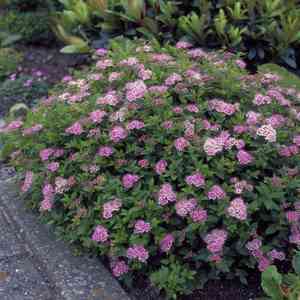
Japanese meadowsweet is most effectively multiplied via cuttings and layering throughout the colder periods of fall and winter. This propagation method yields positive outcomes with fresh shoots and robust root structures. Guarantee adequate moisture levels and soil that drains efficiently for peak performance.
Optimal Period for Japanese Meadowsweet Propagation
Propagation Method
Cutting
Propagation Period
Autumn,Winter
Tools Required for Japanese Meadowsweet Propagation
Pruners
Accurate pruners are vital for obtaining healthy cuttings from japanese meadowsweet. A clean incision minimizes harm to both the parent plant and the cutting, aiding in better recovery and root development. Ergonomic, non-slip handles and sharp blades are especially useful for achieving a clean cut without crushing plant tissues.
Rooting hormone
Rooting hormone in powder or gel form speeds up root development and boosts the success rate of japanese meadowsweet cuttings. The hormone promotes quicker root growth, which is essential for the survival of new cuttings.
Sterilizing agent (e.g., isopropyl alcohol or bleach solution)
Employing a sterilizing agent is crucial for cleaning pruners before making cuts and pots before planting to prevent the spread of diseases and pathogens that could jeopardize japanese meadowsweet's health and rooting success.
Potting mix
A well-draining, sterile potting mix serves as the growing medium, offering support and nutrients to japanese meadowsweet cuttings. It should be light enough to allow for proper oxygen and moisture balance, fostering healthy root development.
Propagation trays or pots
Appropriate propagation trays or small containers provide a controlled environment for japanese meadowsweet cuttings. They should feature good drainage to prevent waterlogging and root rot. Transparent plastic lids can be utilized to create a mini-greenhouse effect, maintaining high humidity.
Heating mat
For japanese meadowsweet, a heating mat can enhance propagation outcomes by maintaining a consistent soil temperature, encouraging faster and more successful rooting, particularly in cooler climates or seasons.
Misting bottle
A misting bottle assists in maintaining high humidity around japanese meadowsweet cuttings, which is crucial to prevent water loss through leaves until new roots are established.
Labels and markers
Labels and markers are important for tracking the variety and propagation date of cuttings. Proper labeling ensures that the specific care requirements for japanese meadowsweet are met during the critical rooting phase.
Caring for Your Newly Propagated Japanese Meadowsweet
Caring for Your Newly Propagated Japanese Meadowsweet
After propagating japanese meadowsweet, regularly check soil moisture, ensuring it stays consistently damp but not saturated. Gradually introduce the new plant to less humid conditions by opening the plastic cover for a few hours daily. Once the cutting has rooted and new growth appears, typically in a few weeks, slowly transition it to normal garden conditions, increasing sunlight exposure and reducing watering frequency. Fertilize with a balanced, slow-release formula during the growing season to support robust growth.
Common Errors to Avoid When Propagating Japanese Meadowsweet
Insufficient cutting preparation
Cuttings taken from japanese meadowsweet might be too short, too long, or cut at an incorrect node, which can hinder rooting.
Neglecting humidity management
Inadequate humidity can cause japanese meadowsweet cuttings to dry out quickly and fail to root, while excessive humidity can encourage fungal growth.
Disregarding cutting vitality
Using diseased or weak cuttings from japanese meadowsweet for propagation will likely result in poor growth or failure to root.
Excessive watering
Overwatering cuttings or divisions of japanese meadowsweet can lead to root rot and fungal diseases, while underwatering might dehydrate and weaken them.
Advice for Propagating Japanese Meadowsweet
Healthy parent plant selection
Choose healthy, disease-free parent plants of japanese meadowsweet as a source for cuttings, which ensures the best chance of successful propagation.
Correct cutting method
Make clean cuts at a 45-degree angle, just below a node, for optimal rooting in japanese meadowsweet cuttings.
Humidity and air circulation
Maintain a balance by covering japanese meadowsweet cuttings with clear plastic to retain humidity while ensuring some air circulation to prevent mold growth.
Appropriate watering
Water japanese meadowsweet cuttings or divisions carefully to keep the soil consistently moist, but not waterlogged, to promote healthy root development.



