How to Propagate Yellow indiangrass?
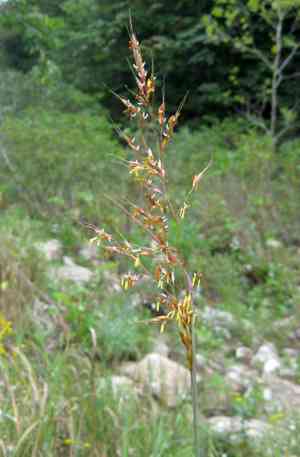
The most effective method for propagating yellow indiangrass is via division, performed in either Spring or Autumn. This procedure is quite straightforward, and the emergence of new shoots signifies successful propagation. To achieve the best outcomes, confirm that the separated sections possess a sufficient root structure.
Optimal Period for Yellow Indiangrass Propagation
Propagation Method
Separation
Propagation Period
Spring, Autumn
Tools Utilized in Yellow Indiangrass Propagation
Garden spade or shovel
These digging implements are essential for separating the root systems of yellow indiangrass. The spade, with its sharp, flat edge, is perfect for cutting through turf and roots with minimal harm, which is vital for maintaining yellow indiangrass health during division.
Garden forks
Two garden forks can be employed back-to-back to gently separate the root clumps of yellow indiangrass. The tines of the fork are designed to untangle roots without excessive tearing, which encourages quicker recovery and growth post-division.
Pruning shears
Pruning shears are necessary for trimming any damaged roots or foliage during the division process. Clean cuts help prevent disease and encourage yellow indiangrass to establish more rapidly after transplanting.
Watering can or hose with a gentle spray nozzle
Immediately following division and transplantation, yellow indiangrass will need sufficient water to help reduce transplant shock and ensure the divided plants establish in their new locations. A gentle spray nozzle can deliver water without disturbing the soil or roots.
Rooting hormone (optional)
While not always required for yellow indiangrass, using a rooting hormone can accelerate root development in the divided sections. This can be especially beneficial if the divisions appear small or weak, to improve their chances of successful establishment.
Labeling stakes or markers
Labeling the new divisions of yellow indiangrass with their location and planting date is important for record-keeping and future care. It allows for proper monitoring of growth progress and maintenance requirements.
How to Propagate Yellow Indiangrass
Propagation Method
Division
Difficulty Level
Simple
How to Care for Your Newly Propagated Yellow Indiangrass
How to Care for Your Newly Propagated Yellow Indiangrass
Post-Propagation Care: Provide yellow indiangrass with at least 1 inch of water weekly, especially during dry periods, but avoid overwatering. Yellow indiangrass is drought-tolerant once established. Fertilization is generally not needed on fertile soils. Monitor for pests and diseases, but yellow indiangrass is typically robust. Cut back yellow indiangrass in late winter before new growth begins to maintain neatness. As a native grass, yellow indiangrass requires minimal upkeep once established.
Common Errors to Avoid When Propagating Yellow Indiangrass
Insufficient soil preparation
Poor soil preparation can hinder root development for yellow indiangrass. Ensuring the soil is well-draining yet rich in organic matter is vital for success.
Excessive watering
While yellow indiangrass tolerates various conditions, too much water, particularly during the rooting phase, can lead to root rot and impede growth.
Using diseased or weak segment
Propagating yellow indiangrass using a diseased or weak part of the plant can compromise the health of the new plants, leading to failure.
Neglecting to stratify seeds
Failure to stratify seeds of yellow indiangrass can result in poor germination rates, as the seeds require a cold period to break dormancy.
Tips For Propagating Yellow Indiangrass
Seed selection
Choosing healthy, mature seeds increases the likelihood of successful propagation of yellow indiangrass.
Soil fertility
Enriching the soil with compost or other organic matter can promote vigorous growth and root development for yellow indiangrass.
Moisture balance
Maintaining consistent moisture without overwatering is key to rooting success for yellow indiangrass.
Cold stratification
Mimicking natural winter conditions by stratifying seeds of yellow indiangrass ensures better germination when planted.



