How to Propagate European mountain-ash?
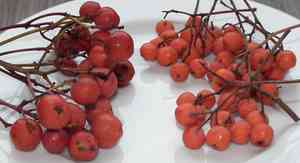
The European mountain-ash can be reproduced via dormant wood cuttings, air layering, and seed germination. The most suitable periods for propagation are fall and winter. The level of difficulty for propagation can differ depending on the technique employed. Indicators of successful propagation might involve the emergence of fresh sprouts or root structures. Essential advice for propagation includes ensuring consistently damp soil and supplying sufficient illumination for development.
Optimal Time for European Mountain-ash Propagation
Propagation Method
Cutting
Propagation Period
Autumn,Winter
Essential Tools for European Mountain-ash Propagation
Sharp Pruning Shears
These are crucial for making clean cuts from the parent european mountain-ash without causing unnecessary harm to the plant tissues. Shears must be sharp enough to ensure a precise cut that promotes better root initiation and reduces the risk of infection.
Rooting Hormone
This substance encourages root development on european mountain-ash cuttings, boosting the propagation success rate. It is particularly helpful in fostering vigorous and healthy root growth, which is vital for european mountain-ash, which might otherwise root slowly or with difficulty.
Sterile Potting Mix
A sterile potting mix ensures that european mountain-ash cuttings are planted in a disease-free medium, lowering the chance of fungal or bacterial infections that can affect root development. The mix should be well-draining and aerated to support initial root growth.
Humidity Dome or Plastic Bags
Maintaining high humidity around european mountain-ash cuttings is essential for preventing moisture loss while new roots are forming. A humidity dome or a simple plastic bag can create a greenhouse effect that retains moisture and warmth.
Heat Mat
A heat mat provides consistent warmth from below, which can stimulate root growth in european mountain-ash cuttings. Even temperature distribution is especially important for european mountain-ash, as it can improve the chances of successful root establishment.
Sanitizing Agent
Before propagation, tools and containers must be disinfected with a suitable agent such as alcohol or bleach solution. This prevents the spread of pathogens to the vulnerable european mountain-ash cuttings, ensuring the health and viability of new plants.
Post-Propagation Care for European Mountain-ash
Post-Propagation Care for European Mountain-ash
Once the european mountain-ash cutting has rooted and shows new growth, gradually introduce it to typical growing conditions. Begin by watering regularly, but avoid over-watering as european mountain-ash prefers well-drained soil. Place the plant in an area with full sun to partial shade. Protect the young european mountain-ash from extreme temperatures and strong winds until it is more established. Gradually introduce a balanced fertilizer during the growing season to support healthy growth. Monitor the plant for pests and diseases and manage them promptly with appropriate cultural practices or treatments.
Common Errors to Avoid When Propagating European Mountain-ash
Overwatering
Excessive watering can lead to root rot, which is harmful to european mountain-ash's health. This species prefers well-drained soil and does not tolerate 'wet feet'. Overwatering can suffocate the roots, reducing oxygen flow and promoting fungal infections.
Deep planting
Planting seeds or cuttings too deeply can prevent european mountain-ash from successfully sprouting or rooting. Seeds and cuttings require the appropriate depth to access sufficient light and air for optimal growth.
Ignoring soil ph
Not adjusting soil pH to match european mountain-ash's preference can hinder its growth. European mountain-ash thrives in slightly acidic to neutral soil. Planting in soil outside this pH range can limit nutrient uptake and inhibit root development.
Advice for Propagating European Mountain-ash
Semi-hardwood cuttings
Use semi-hardwood cuttings for european mountain-ash propagation. These cuttings, taken in late summer, have a higher success rate as they combine the right balance of mature and flexible growth necessary for rooting.
Cold stratification
Aids in seed germination for european mountain-ash as it mimics the natural wintering process. Stratify the seeds before planting to increase the likelihood of successful germination.
Bottom heat
Applying bottom heat can promote root growth for european mountain-ash cuttings. A consistent, gentle heat source encourages roots to develop more quickly and robustly, increasing propagation success.



