How to Propagate Texas mountain laurel?
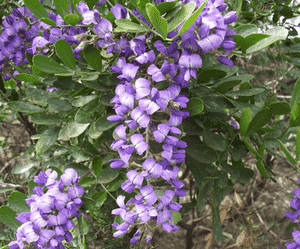
Texas mountain laurel is best propagated from cuttings during the spring or summer seasons. This process demands perseverance, as achieving successful propagation can be difficult. The emergence of new shoots and foliage indicates success. Ensure adequate moisture levels and prevent excessive watering for the best outcomes.
Optimal Period for Texas Mountain Laurel Propagation
Propagation Method
Cutting
Propagation Period
Spring, Summer
Tools for Texas Mountain Laurel Propagation
Pruning Shears
Sharp, sanitized pruning shears are essential for taking cuttings from texas mountain laurel. They ensure a clean cut, minimizing harm to both the parent plant and the cutting. A clean cut also helps prevent pathogen infection.
Rooting Hormone
Applying rooting hormone to the severed end of texas mountain laurel cuttings can significantly boost rooting success. This hormone stimulates root growth and aids in establishing a robust root system more quickly.
Potting Mix
A well-draining, sterile potting mix offers an ideal environment for texas mountain laurel cuttings to root. It ensures proper air circulation and moisture retention, crucial for root development without the risk of decay.
Propagation Tray or Pots
Trays or small containers are used to hold the potting mix and support texas mountain laurel cuttings as they root. They should provide sufficient space for root growth and have drainage holes to prevent water accumulation.
Plastic Domes or Bags
Maintaining high humidity around texas mountain laurel cuttings is vital to prevent moisture loss from leaves. Plastic domes or bags create a greenhouse effect, reducing water stress on cuttings as they develop roots.
Heat Mat (Optional)
While not always necessary, a heat mat can provide gentle warmth to the base of texas mountain laurel cuttings to encourage faster root development, especially when propagating in cooler climates or during colder months.
How to Propagate Texas Mountain Laurel?
Propagation Method
Cutting
Difficulty Level
Moderately Difficult
Caring for Your Newly Propagated Texas Mountain Laurel
Caring for Your Newly Propagated Texas Mountain Laurel
For post-propagation care of texas mountain laurel, ensure the plant receives bright, indirect light and consistent watering when the top inch of soil feels dry. Maintain a regular feeding schedule with a balanced, slow-release fertilizer during the active growth period. Prune as needed to shape the plant and remove dead or damaged branches. Protect from freezing temperatures and provide good air circulation to prevent diseases.
Common Errors to Avoid When Propagating Texas Mountain Laurel
Ignoring seed scarification
The seeds of texas mountain laurel possess a very tough outer shell, which can hinder germination. Failing to scarify the seeds is a mistake as it can significantly delay or prevent sprouting.
Overwatering cuttings
When rooting cuttings of texas mountain laurel, excessive watering can lead to rot. This error can destroy the cutting before it ever develops roots.
Using unsterilized tools
Failure to use clean and sterilized cutting tools can result in infections at the cut sites. This can cause dieback or death in cuttings and seeds of texas mountain laurel.
Improper soil preparation
Using an unsuitable soil mix can impede root development in cuttings and seedlings of texas mountain laurel. Heavy soils can retain too much moisture and lack necessary aeration.
Planting seeds too deep
Seeds of texas mountain laurel should not be planted too deeply as they need to be somewhat close to the surface to germinate effectively. Planting them too deep can decrease germination rates.
Tips For Propagating Texas Mountain Laurel
Scarify seeds before planting
Scarification, which involves gently scratching or nicking the seed coat, will facilitate water absorption and improve germination rates for texas mountain laurel seeds.
Proper watering
During the rooting process, cuttings of texas mountain laurel require moisture, but it's crucial to ensure the soil is well-draining to avoid waterlogging and root rot.
Sanitize tools
Using sterilized pruning shears or knives to take cuttings from texas mountain laurel helps prevent the spread of disease and encourages healthy root development.
Prepare suitable substrate
For successful propagation, use a well-draining soil mix that's high in organic matter to foster the growth of texas mountain laurel's delicate new roots.
Seed placement
Sow texas mountain laurel seeds at the proper depth, no more than a quarter-inch below the soil surface, to ensure they receive ample light and oxygen for germination.



